№ 109 | Algodeck, Alternatives to Arrows, Comic Lettering, Equations Explained Colorfully, Chemistry Advent Calendar, A Framework for Making Decisions, TikTok’s System Map, Learner Engagement Checklist, and Closing Prompts


Let’s close out the year with an XL-sized roundup of ‘playful things to think with’ and think about.
Until then… Be present with your friends and family; and, if you feel inclined, make something! Cookies. Carpentry. Maybe a card deck 😉. There’s an often overlooked joy that comes from simply working with our hands. I’m hoping to—after the holidays—make time for a few of my “backburner” projects. Here’s to sharing some things I’ve been working on in the new year! 🤞
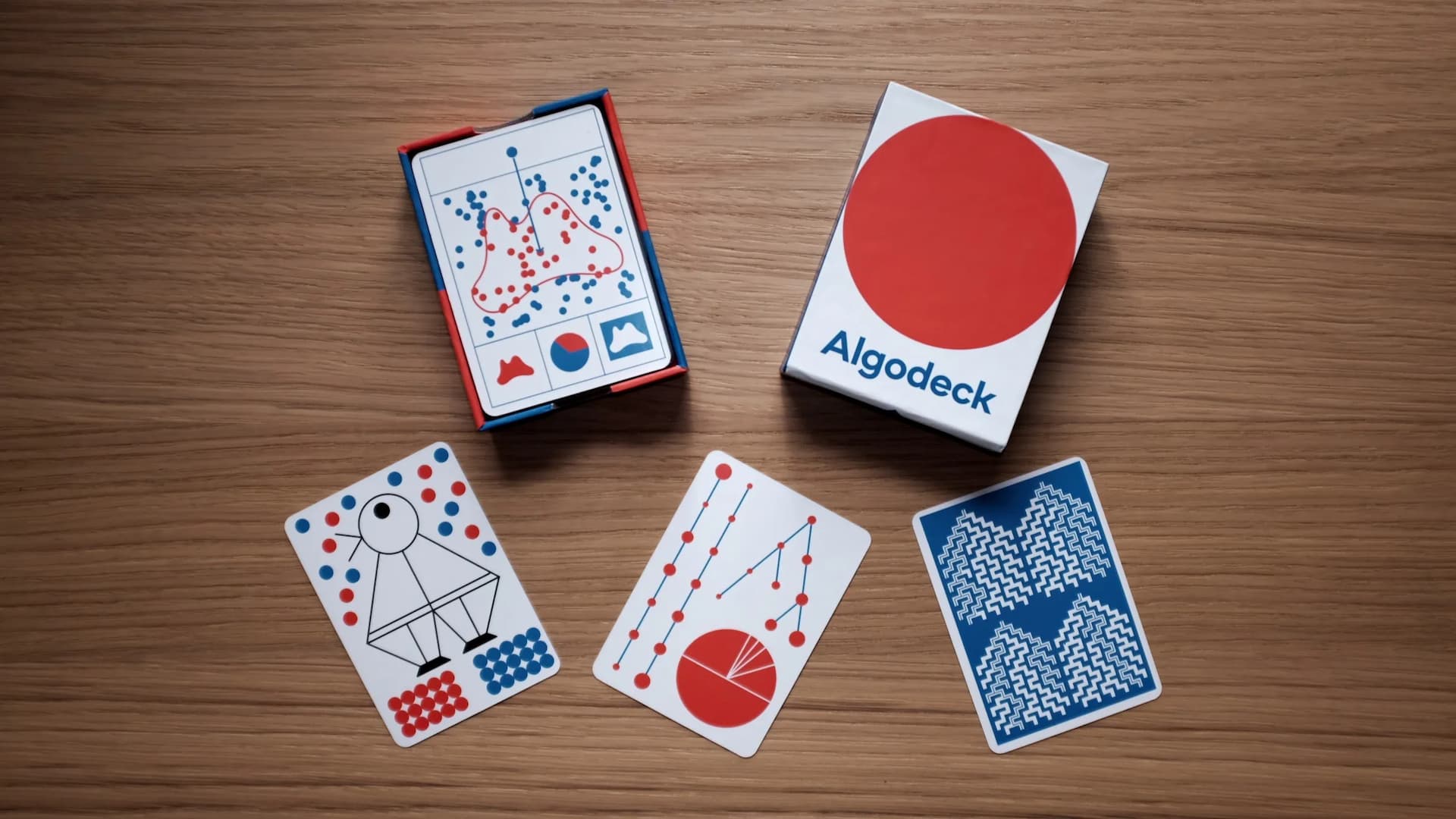
Algodeck
Computer Science. Card sized. I’m in!
Algodeck is pitched as “a collection of mental models and frameworks for Software Engineers, problem solvers and the curious.” It looks like each card is a visual representation of an algorithm, with a detailed explanation on the back of the card (I’ll know more when my deck arrives!). Bonus points for the friendly, retro aesthetic, which is especially refreshing in contrast to a more serious, techy direction the creator might have taken this project [LI].
Context for the next two finds… When I talk about the visual representation of information, I tend to focus on spatial arrangement. But, focusing on how something (a shape, a line) is represented, is equally important. The next two ‘finds’ emphasize this, in different ways…
Alternatives to arrows
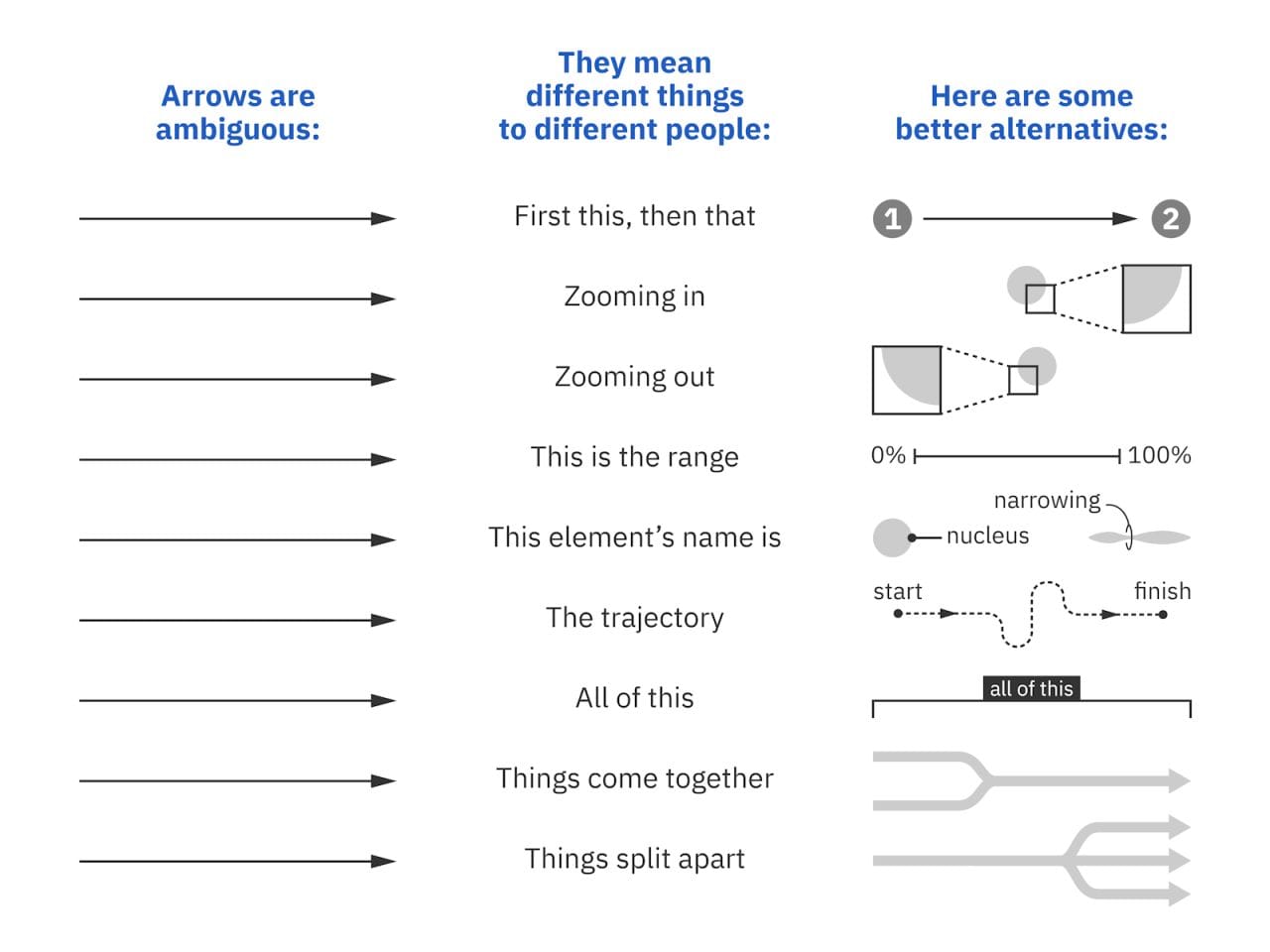
Arrows are ambiguous. But, as Koen Van den Eeckhout shows us [LI], there are a number of alternatives to a simple arrow that can provide more clarity. Fairly self-explanatory visual.
The language of comic lettering
Lettering—in comic books—is so much more than simply placing text into speech bubbles. This short post, written for “Letterer Appreciation Day 2022” highlights many of the nuanced ways that letterers convey emotion or reinforce the narrative, often through visual associations.

Equations Explained Colorfully
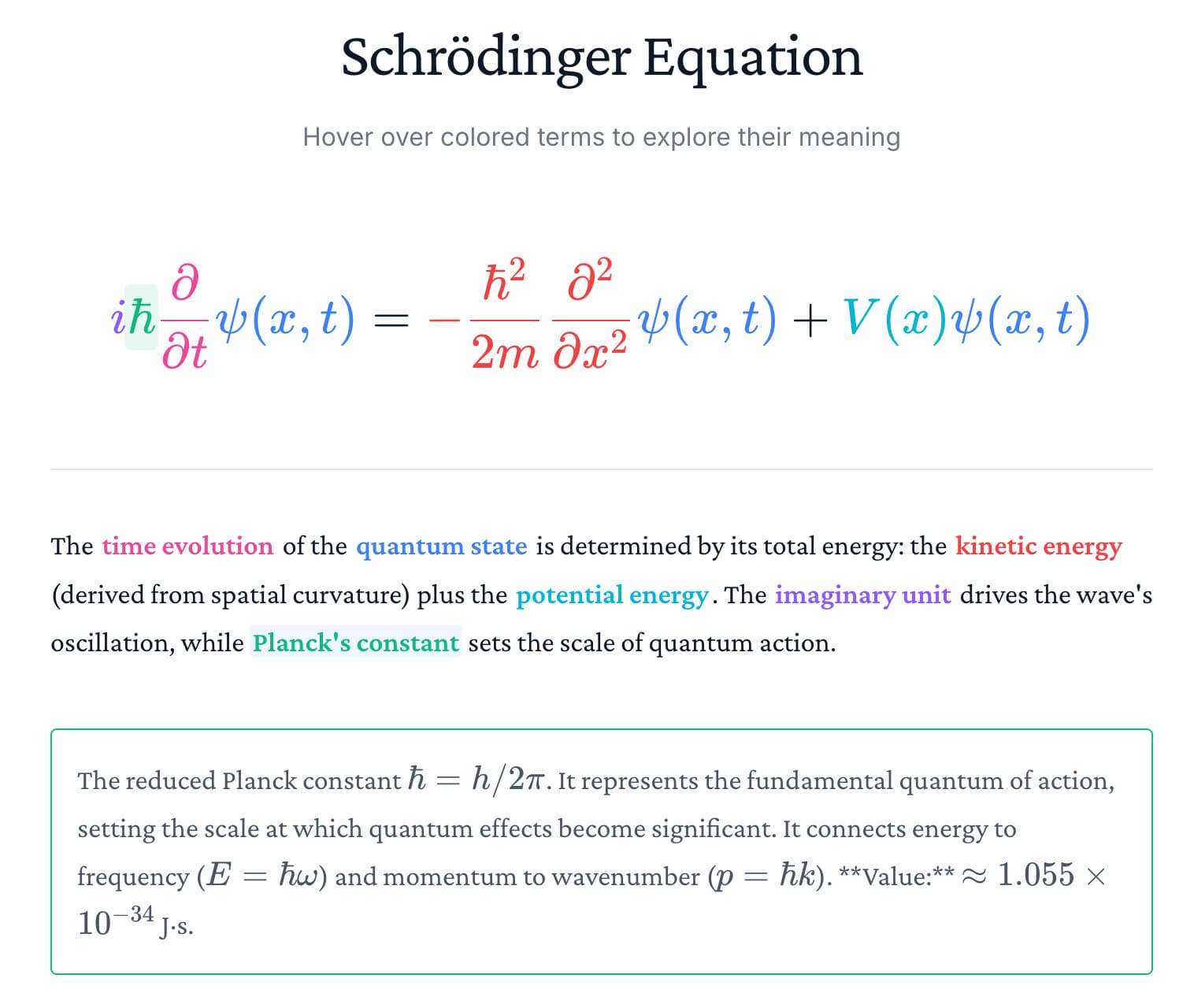
Equations Explained Colorfully is… exactly what you’d expect! And, it’s a simple way to make equations just a bit more accessible.
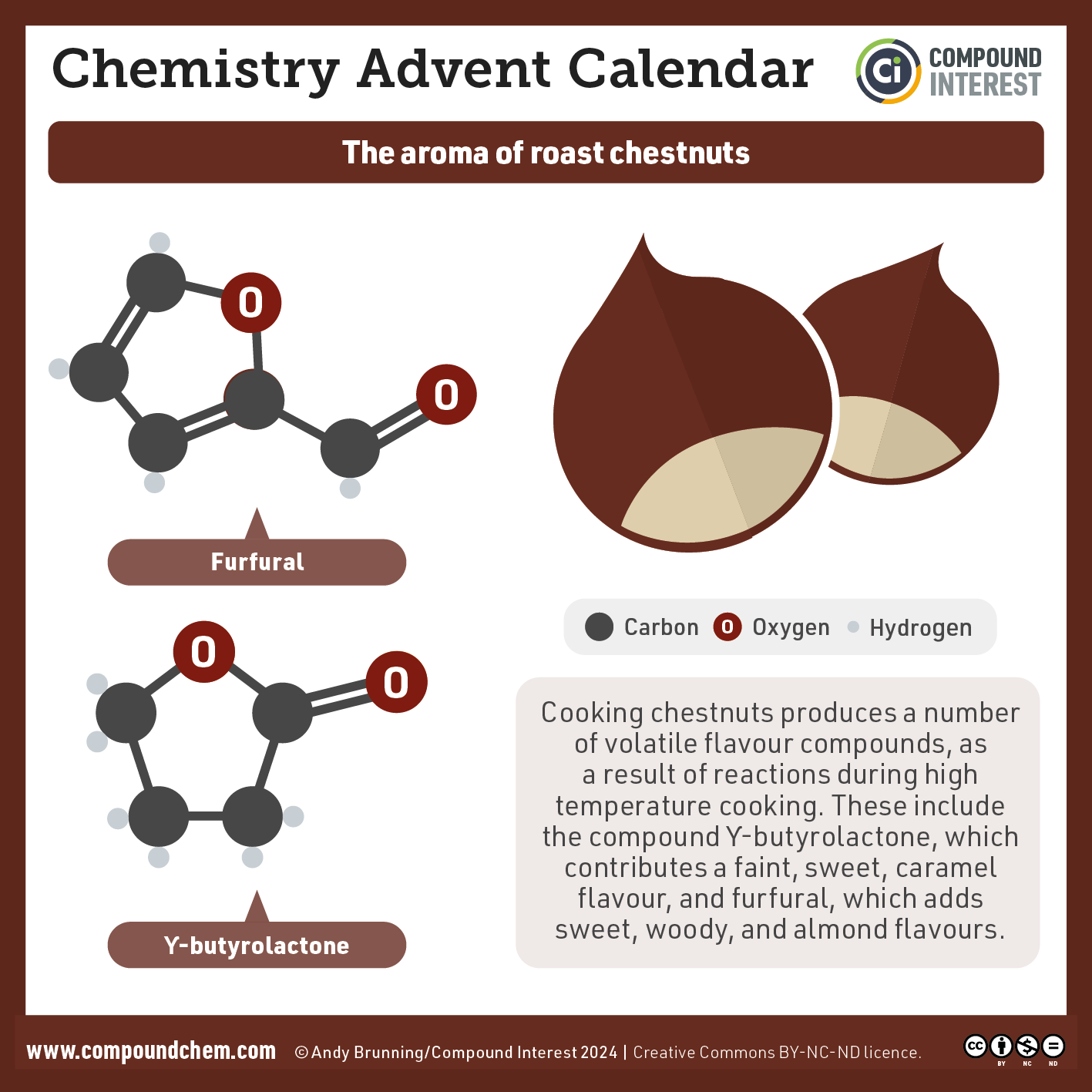
Chemistry Advent Calendar
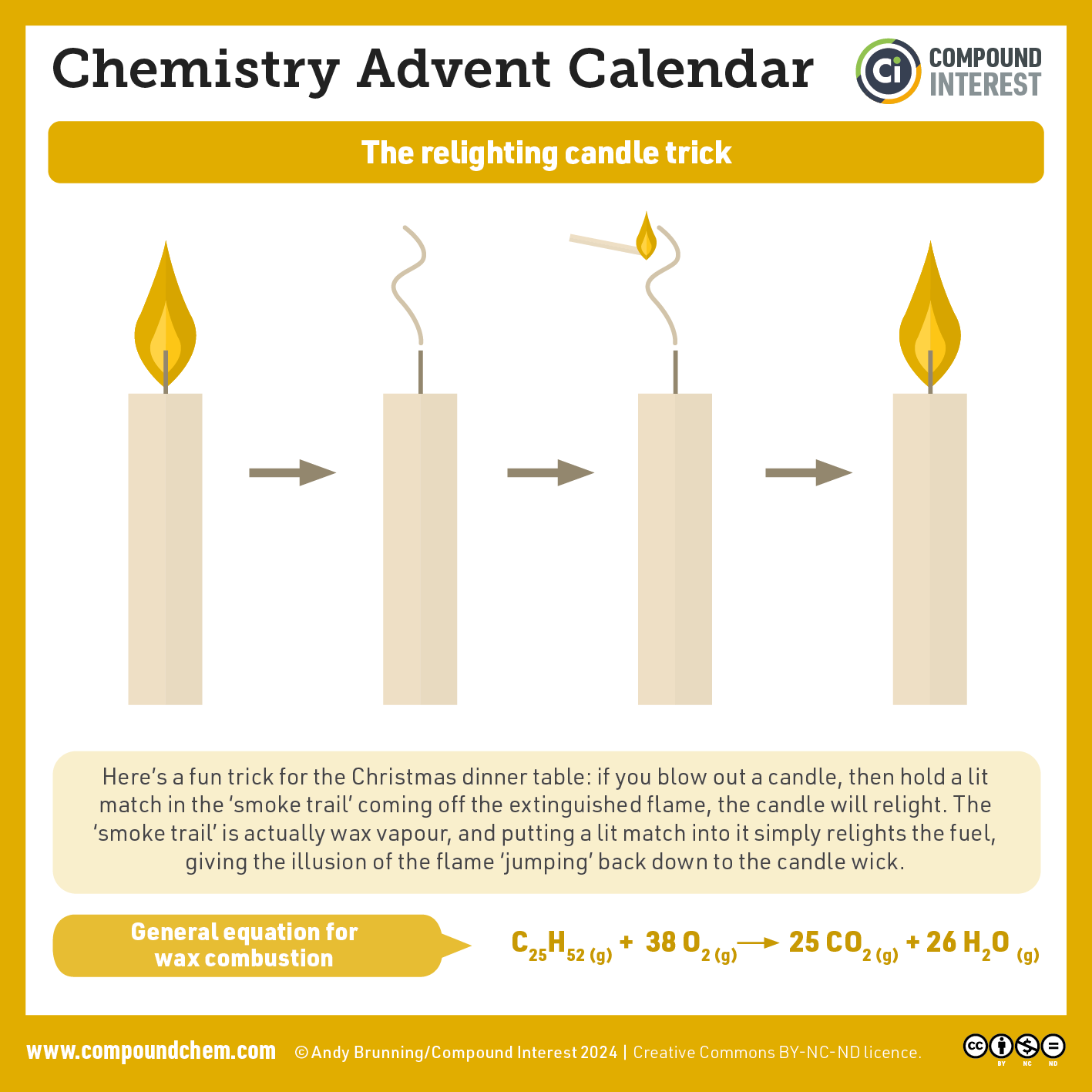
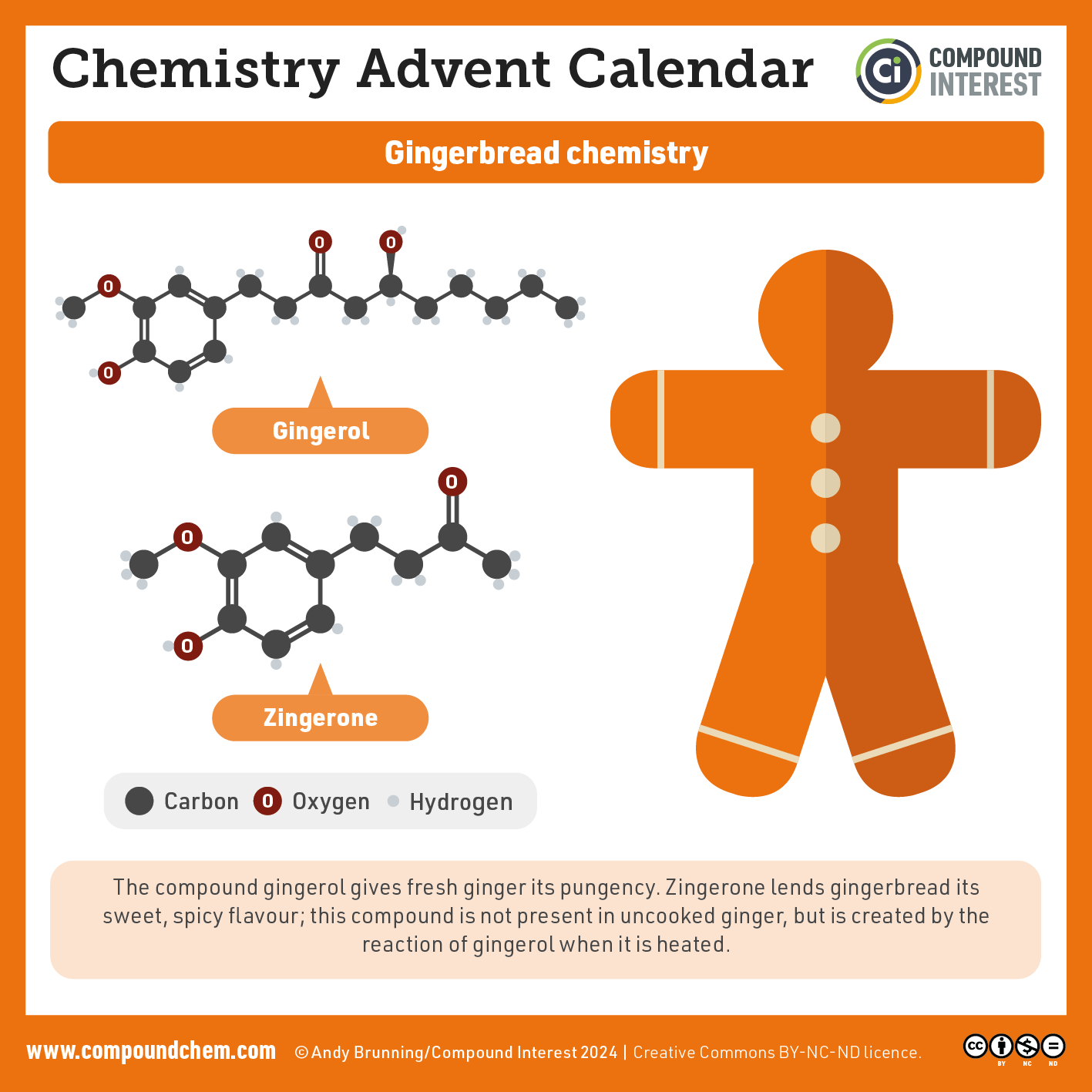
This time of year, I do enjoy the various ways that people use the advent calendar format, whether it’s the #FreeSoftwareAdvent to share software or Ruth Malan’s #AdventOfSystemSeeing to guide us through a series of systems thinking challenges. The Chemistry Advent Calendar is a new series I just stumbled across, which takes a chemistry perspective on Christmas-themed things 🤪. Bite-sized. Visual. Engaging. This definitely fits my criteria for a playful thing to think with!
Decision making and delegation
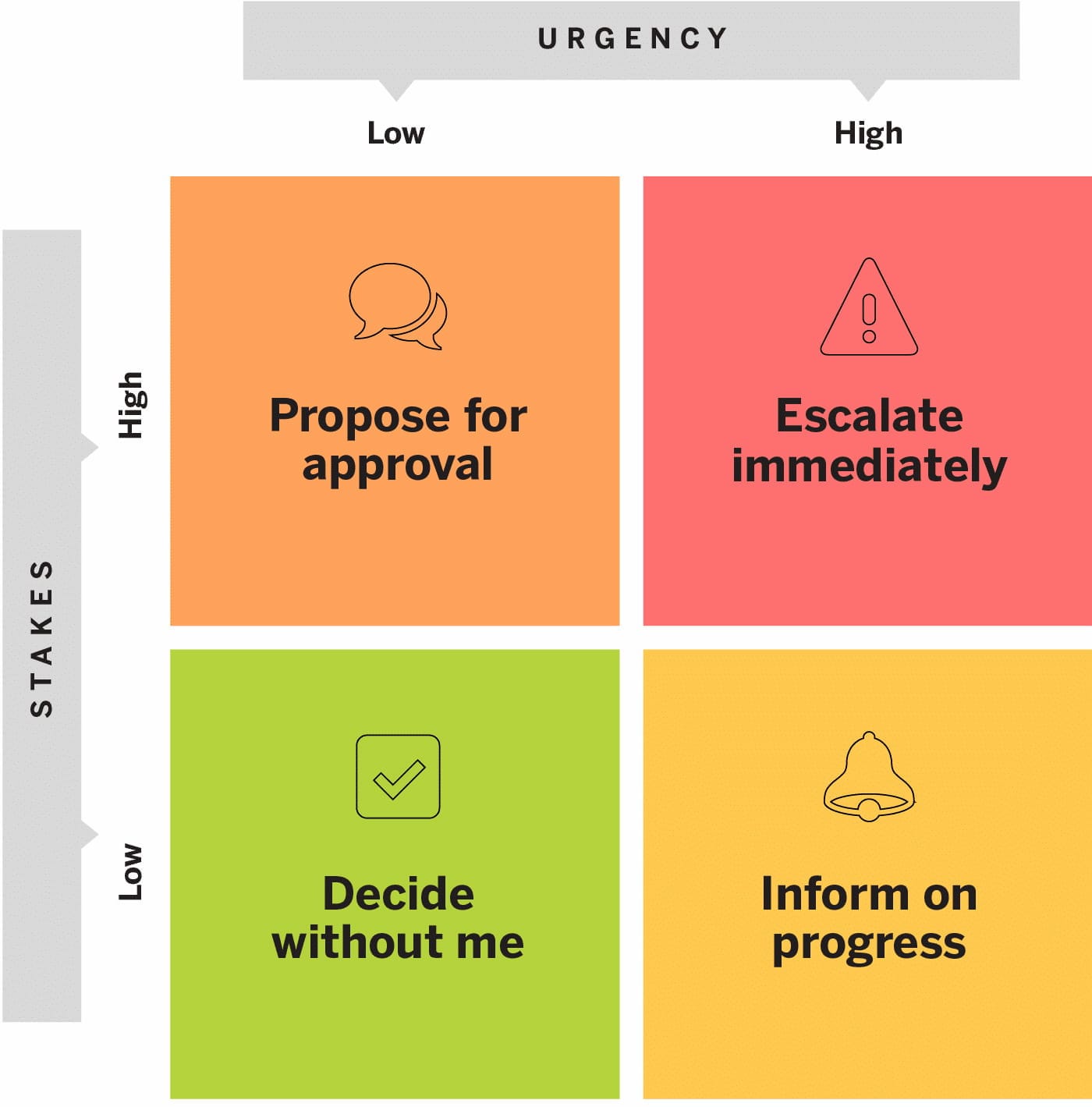
Here’s a brilliant example of how a simple framework can provide a shared language for making decisions. In “Effective Leaders Decide About Deciding,” Nancy Duarte describes the circumstances that led to a simple 2x2 where all decisions—and how to make these decisions—map against two factors: urgency and risk.
When should a leader be pulled into a decision, and when can team members move autonomously? Identifying decisions as low risk or high risk and low urgency or high urgency helps to clarify expectations.
TikTok’s system map
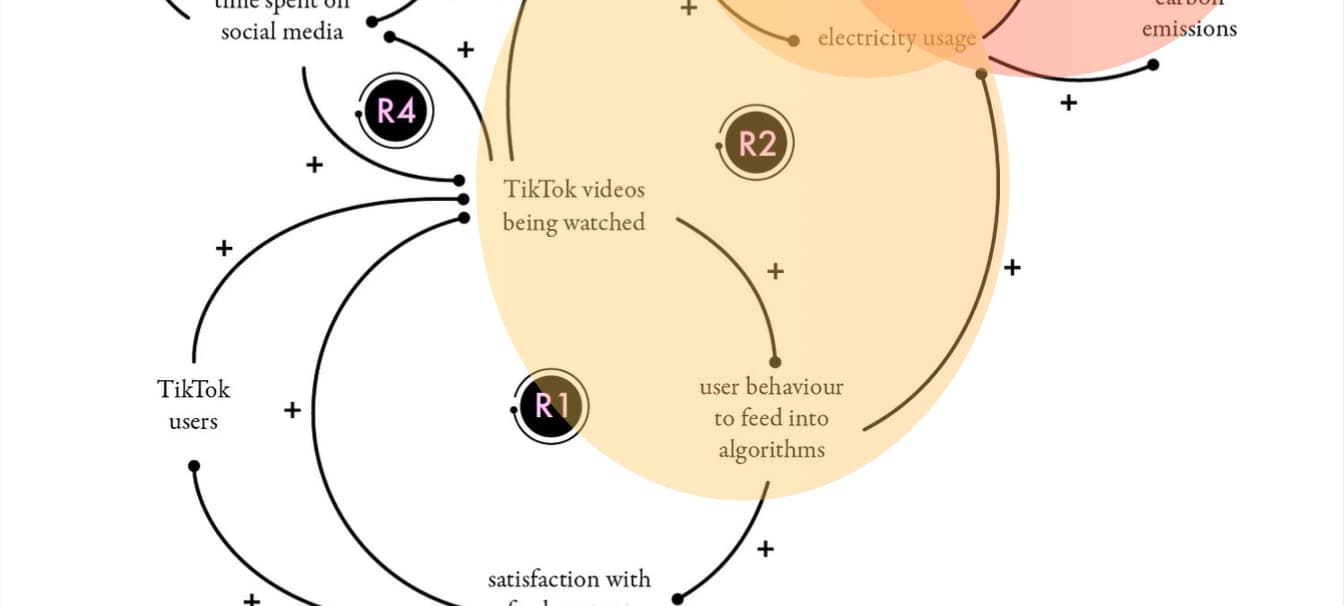
I’ve found with systems thinking, seeing a map (already made) is often the best way to start seeing the systems nature of things. In this LinkedIn carousel, Sree Sevithaa M shares a systems map of TikTok (first created by Martin Tomitsch and Steve Baty in their article “The UX butterfly effect” ), that shows how design choices at the screen level ripple outward into loops that touch things like mental health, learning, and environmental impact.
Let’s wrap this issue up with a couple facilitation related finds…
Learner engagement checklist
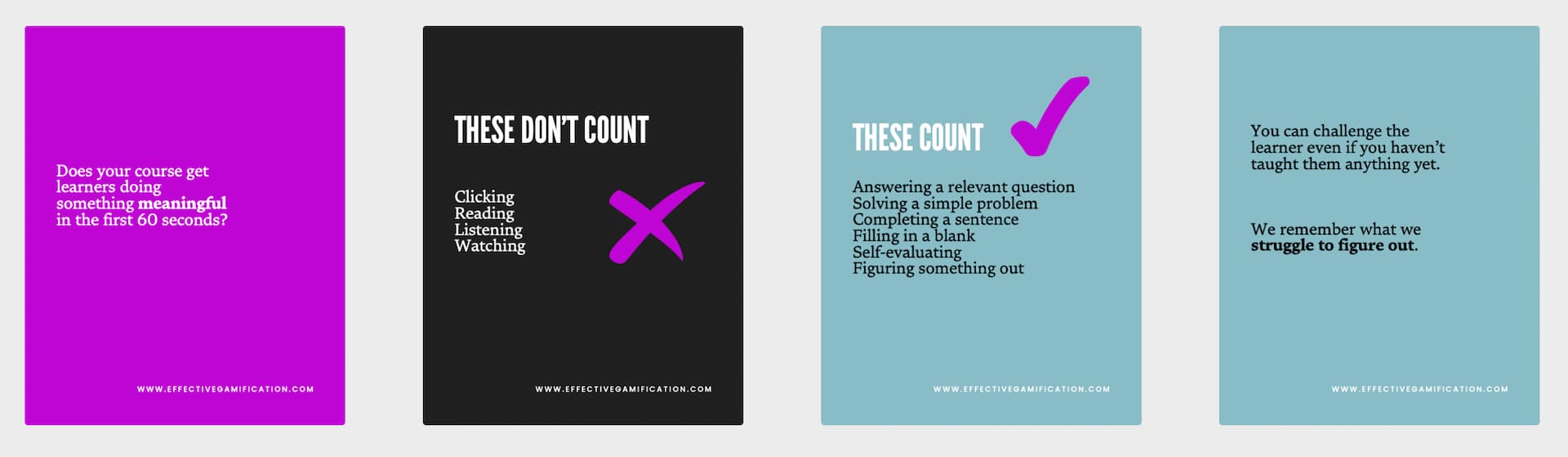
Another LinkedIn carousel. This learner engagement checklist from Marie-Jo Leroux is loaded with some good tips and reminders that “predict whether your course will hook learners from slide one.” While these 5 tips are aimed at e-learning designers, the advice is equally relevant to any kind of facilitated learning.
10 closing prompts
In the past few years, I’ve started focusing more on how I close a workshop, and allow for individual reflection. Naturally, I’m filing away Gwyn Wansbrough’s “10 Favourite Closing Prompts for Virtual sessions” (yes, another LI carousel 🙄) in my reference library.
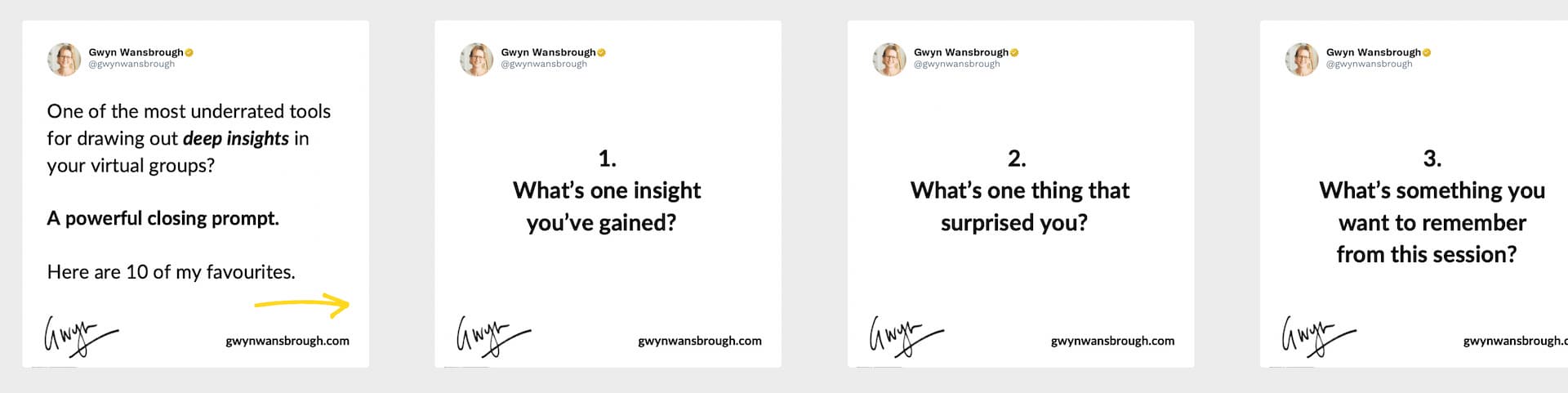
👉 It’s a stretch, but… here’s a challenge for YOU. Pick one of these closing questions (a few don’t apply). Apply it to the last year’s worth of Thinking Things posts. Shoot me an email with your response. It’s always nice to know there are people on the other side of these posts! 😃
RaNdOM sTuFf
Wow. A lot more random stuff this time around!
- [Satire] 🤣 “I Work for an Evil Company, but Outside Work, I'm Actually a Really Good Person.”
- We Finally Know Why Roman Concrete Has Survived For Nearly 2,000 Years.
- This Hacker Conference Installed a Literal Antivirus Monitoring System.
- I like the hexagon format of this Free Solo Roleplaying Tool.
- Now I know about the meanings of various colors on a USB port!
- Scope Creep (the game) hits a little close to home. 😳
- I keep getting pulled into conversations about ‘AI rendering UIs obsolete’. Next time this happens, I might just direct people to this article on The prompt-box paradox.
- 404 Media Is Making a Zine. 😎
- Game designed to save dying Aboriginal language wins global awards.
In addition to the random and interesting, I also came across several posts that made me stop and think. Here are two worth sharing:
- “The prior knowledge paradox: what to do with what they know”
- “Why I can’t be silent about the Inner Development Goals” (So. Many. Great. Quotes. I’ve heard rumblings about issues with the IDG; now I have an understanding of the issues…)
Okay, context: About 2 years ago, when I shuttered the Mighty Minds Club Circle group, I commented that the kind of social/community space I was looking for didn’t exist… yet. I think Bonfire might be what I’ve been holding out for… 🤔 (see this more detailed post on “Why Community Matters: Groups as the Next Step for the Fediverse”). Anyway, it’s a bit very last minute (the fundraiser may have closed by the time you read this), but if you want to learn more and throw a bit of money their way, this is the kind of open (translation: not corporate owned) community platform I’d like to see more of.
Until next year…Cheers! 🥂