№ 115 | Copyright: The Card Game, Design Thinking Canvas, The Learning Matrix, “Moving From SWOT to SO WHAT? Analysis”, Prosocial Design Network, Lenny’s World… Remixed!, and Violence as a Contagious Disease


I'm back again, with your regular roundup of ‘playful things to think with’ and think about! (Two days later than usual, but… other priorities!)
Copyright: The Card Game
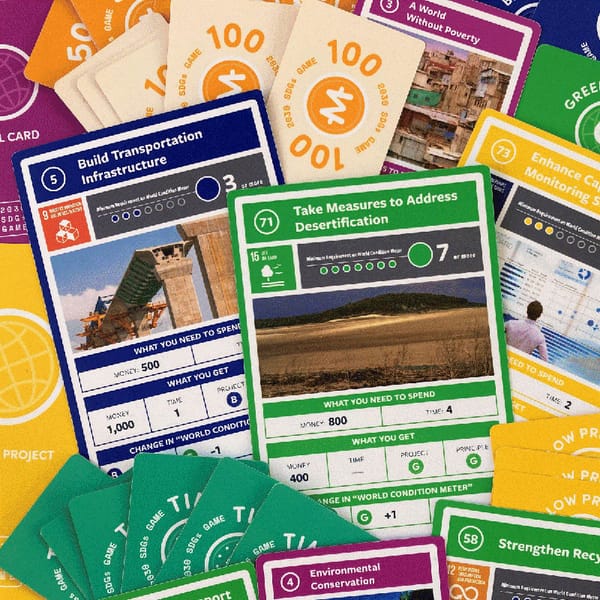
Now this is how you design a learning card game! Take a confusing topic (in this case copyright law). Create a card for each unique concept (“Terms of Service”, “Adaptation”, “Distribution”, etc.). To clarify how these concepts relate to each other, assign suits to relevant concepts (“Works”, “Rights”, “Risk”, “Fair Use”, “Exceptions”, and “Licenses”). Then, use your experience to describe realistic challenges (“Scenarios”) that ask learners / players to identify, discuss, and determine which concepts are relevant. Boom!
This is exactly what you’ll find in Copyright: the Card Game (US version). And… the creators have made every effort to keep this open and editable.
Found via this post “Play the hand you’re dealt” which adds… 🥁 an additional AI copyright scenario.

Design Thinking Canvas
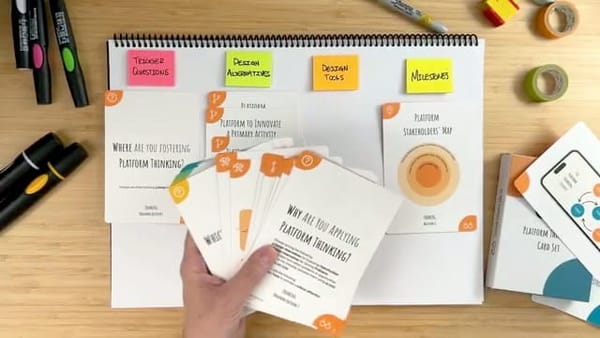
I’m sharing this short LinkedIn post from David Townson for one simple—clever—idea: A canvas/framework designed to support an accordion fold! Paper version, of course. In this case, it’s a Design Thinking Canvas, a tool for navigating the planning and doing of strategic design work.

FWIW, I prototyped something similar in the past, for a goal setting framework. I designed the layout such that while folded, you see only your current state and future (ideal) state; opening up the (paper) canvas reveals the reflection questions needed to guide you on your journey…
Mapping Games to Growth
Setting aside the AI-generated nature of this illustration, the 2x2 framework here is a solid one. The “TTRPG Learning Matrix” (LI) maps four learning territories created by analyzing learning intent (Implicit/Explicit) & time structure (Bounded/Sustained).
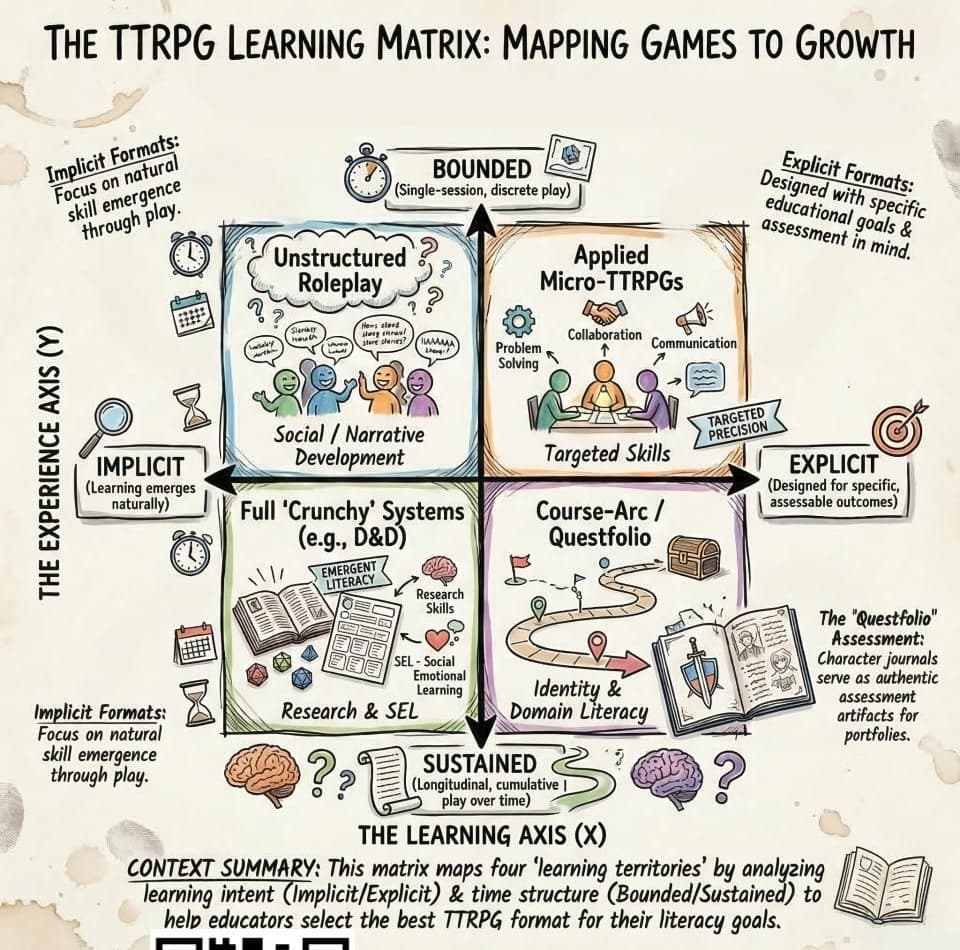
I think a lot about how to make sense of various types of learning games; this framework—while designed for classroom-focused TTRPGs—could easily support a broader range of learning games.
Strategy Reimagined: Moving From SWOT to SO WHAT? Analysis
I’m in the camp of folks who are kind of “meh” about SWOT analysis. While interesting when I first discovered this tool (ages ago!), I’ve had mixed results using it. Back in Issue № 92, I shared NOISE analysis as a possible improvement over SWOT (swapping out “Weaknesses” and “Threats” for “Needs”, “Improvements”, and “Exceptions”).
Anyway, here’s another variation of SWOT Analysis that transforms the rigid matrix into a Venn diagram, to reveal actions you should take (in the overlaps). Hence the title: “Strategy Reimagined: Moving From SWOT to SO WHAT? Analysis.”
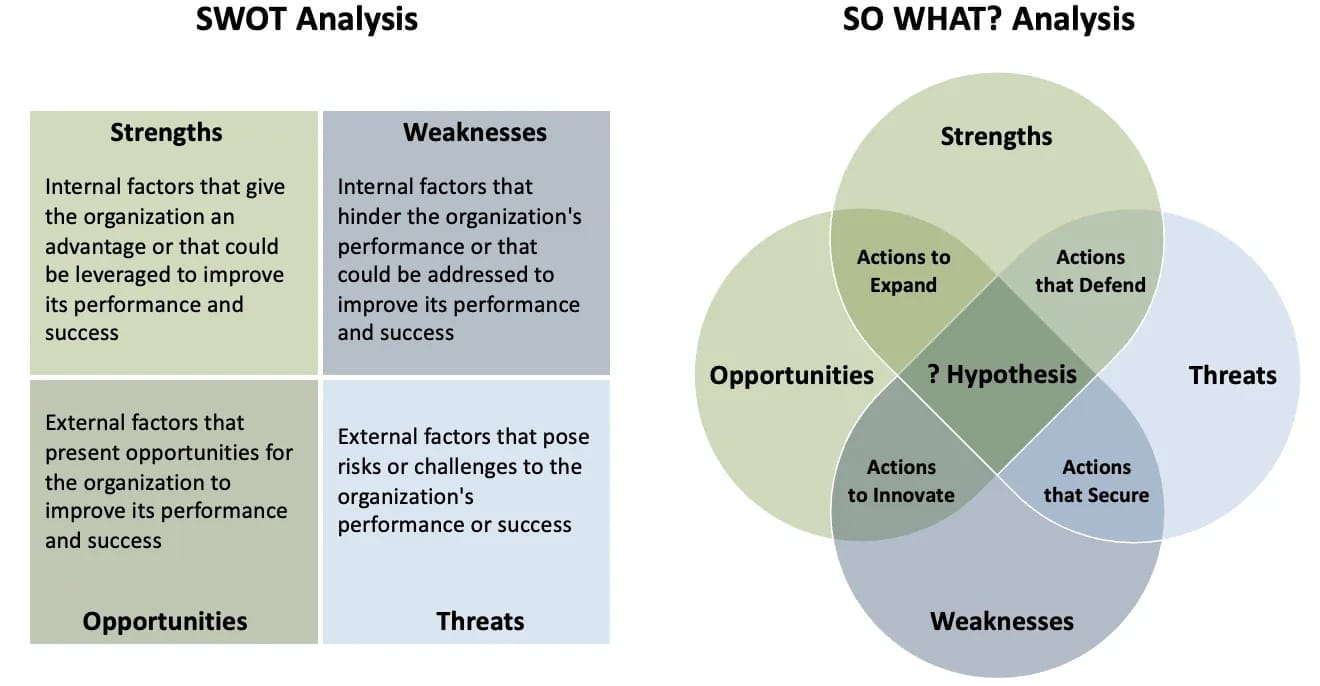
Found via this LI post from Helio.
Prosocial Design Network
Given the toxic nature of Facebook, LinkedIn, Twitter, and other social platforms, it’s easy to write off online spaces for their harmful effects. But… Can we design online spaces that foster healthy interactions? That’s the goal of Prosocial Design Network, which aims to connect “research to practice.”
Going back about 10 years ago, I recall learning about how Nextdoor introduced a bit of healthy friction in their comments form—asking users to share specific details—a change that resulted in a 75% reduction in racial profiling. If simple interventions like that one give you hope, then here is a catalog of 50 such interventions that can or have been shown to create healthy interactions.
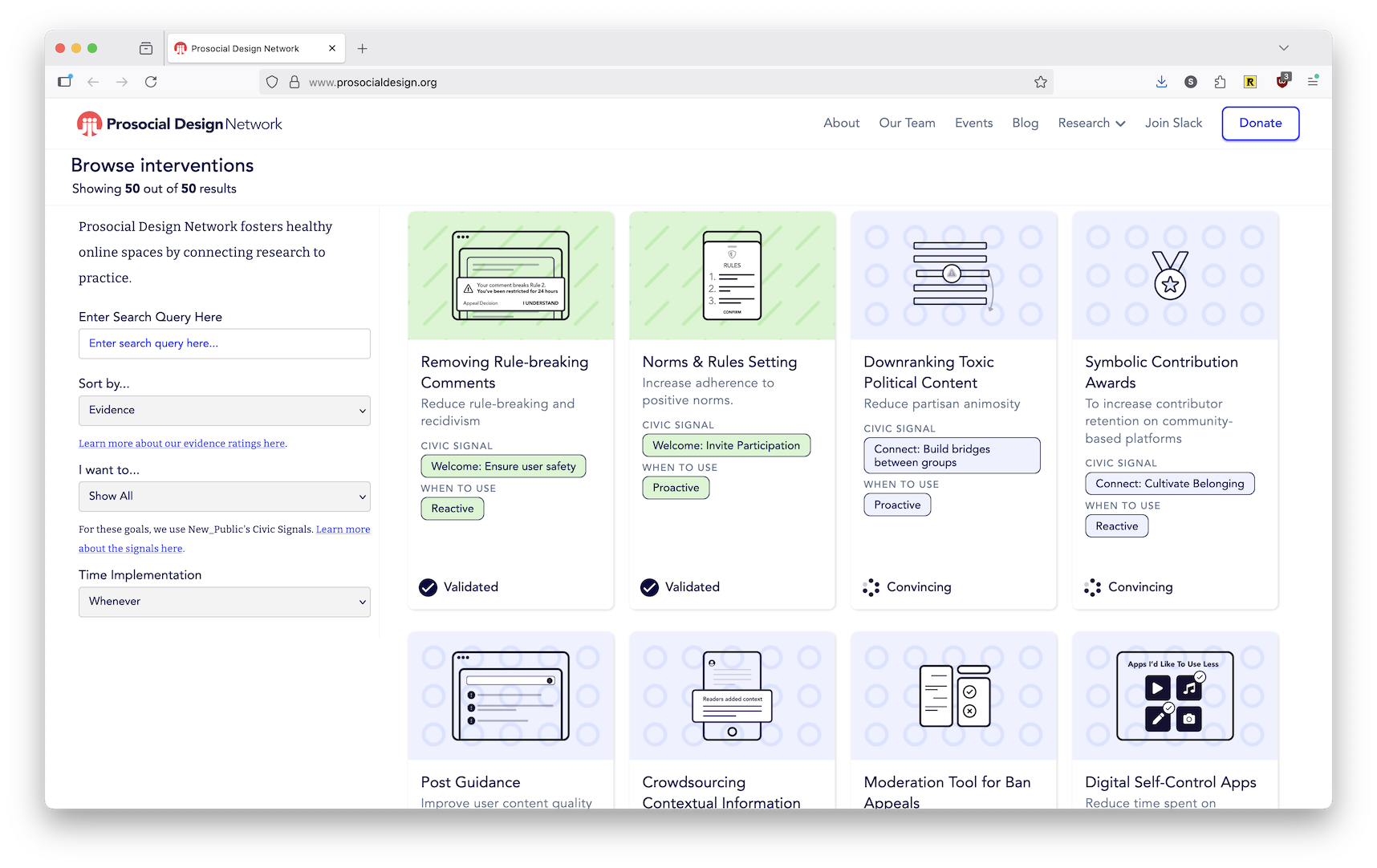
See also Kind Games: Designing for Prosocial Multiplayer, a proposal from Daniel Cook that lists 37 prosocial game mechanics.
Lenny’s World… remixed
So, something interesting is happening… Lenny Rachitsky recently shared his podcast transcripts (300+ episodes) followed by his entire newsletter archive (350+ posts) as AI-friendly Markdown files, with the vague challenge to “build something.” Kind of a “let’s see what happens” experiment. Well… what has happened is…
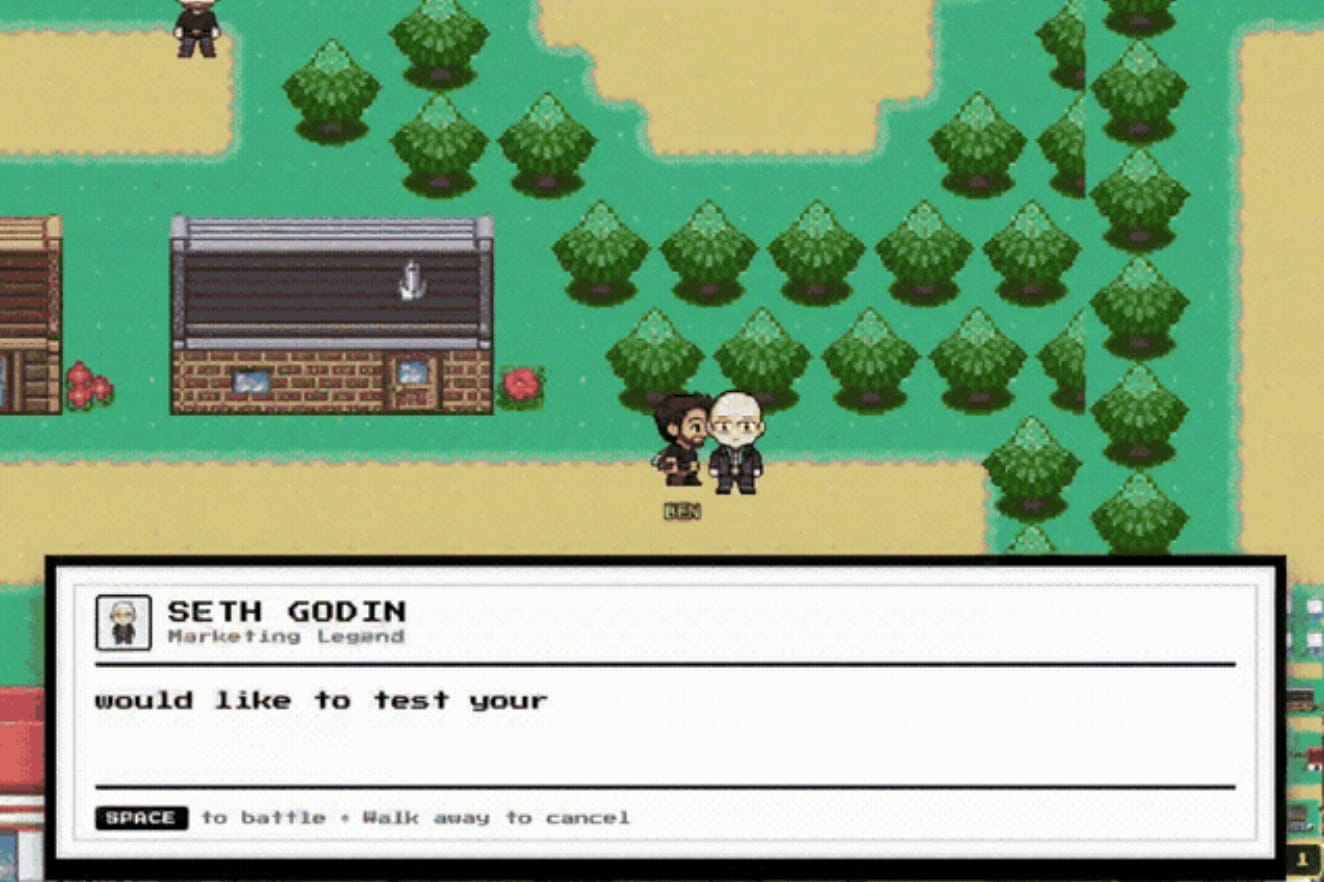
First, someone turned the transcripts into LennyRPG, an RPG game to test your product knowledge.
Then, someone else created Lenny’s Comics, an interactive comic book store where you play as a PM navigating real startup scenarios.
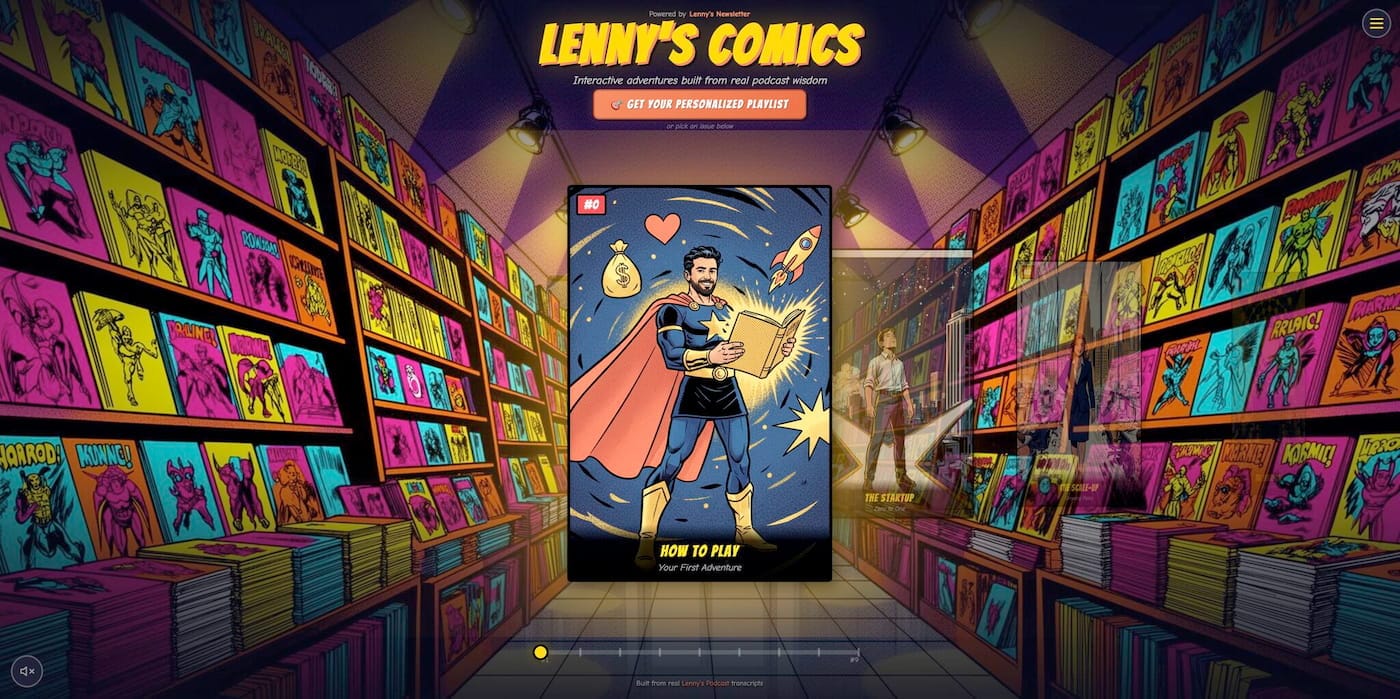
Setting aside my usual concerns about AI, it does excite me to see this kind of playfulness and remixing of content. Not to mention the re-imagined formats for this content, both of which fit with my description of ‘playful things to think with’.
Violence as a contagious disease
Every now and then, you come across a simple reframing of a familiar topic that sends your brain musing in all kinds of (new) directions. For me, thinking of violence as a contagious disease has done exactly this! How do diseases spread? How do you treat a disease? Now, apply those same approaches to violence.
I happened upon this perspective in a radio interview with physician and epidemiologist Dr. Gary Slutkin, MD, author of the forthcoming book The End of Violence.

Coincidentally…
I just finished reading a rather curious (and comforting?!) book—Legends & Lattes by Travis Baldree. It’s a “cozy fantasy” novel about an orc barbarian, Viv, who retires from a life of adventuring to open a coffee shop. Why on earth would I be mentioning this, in relation to violence as a contagious disease? 🤪 Well… When the main character encounters the local mafia, ready for their cut of her business, there’s an urge to pick up her sword again and be done with them. She’s probably capable of violent ends. But, she knows that would destroy everything she’s trying to build—the community, the sense of belonging, her new identity… It’s an interesting interpersonal conflict. Anyway, connecting the dots as I see them, that’s all.
Random stuff
- I love challenges to conventional thinking. In this case, “The Signal Inseparable from the Noise” asks us to reconsider the value that the noise brings.
- Pretext is kind of amazing, bringing desktop level text control to the browser. And more. If it’s as good as it appears, it’s one of those rare advances that expands design possibilities. Check out this demo. Or this one. Or this one!
- I’m kind of in love with Justin Flom’s Vegas fun house (Instragram)
- Shader Development Studio’s cheesy 80s vibes make for one heck of an impressive web site!
- Ooh, now you can paint eroded mountains and islands with your mouse, right in the browser (reminds me a bit of the city building / toy game Townscaper).
Until next issue… Cheers!