№ 20 | Knowledge Structures, Five Managerial Archetypes, ‘Jerks’ in Games, PERMA+, and a Limited Vocabulary

Share
№ 20 | Knowledge Structures, Five Managerial Archetypes, ‘Jerks’ in Games, PERMA+, and a Limited Vocabulary

Knowledge Structures

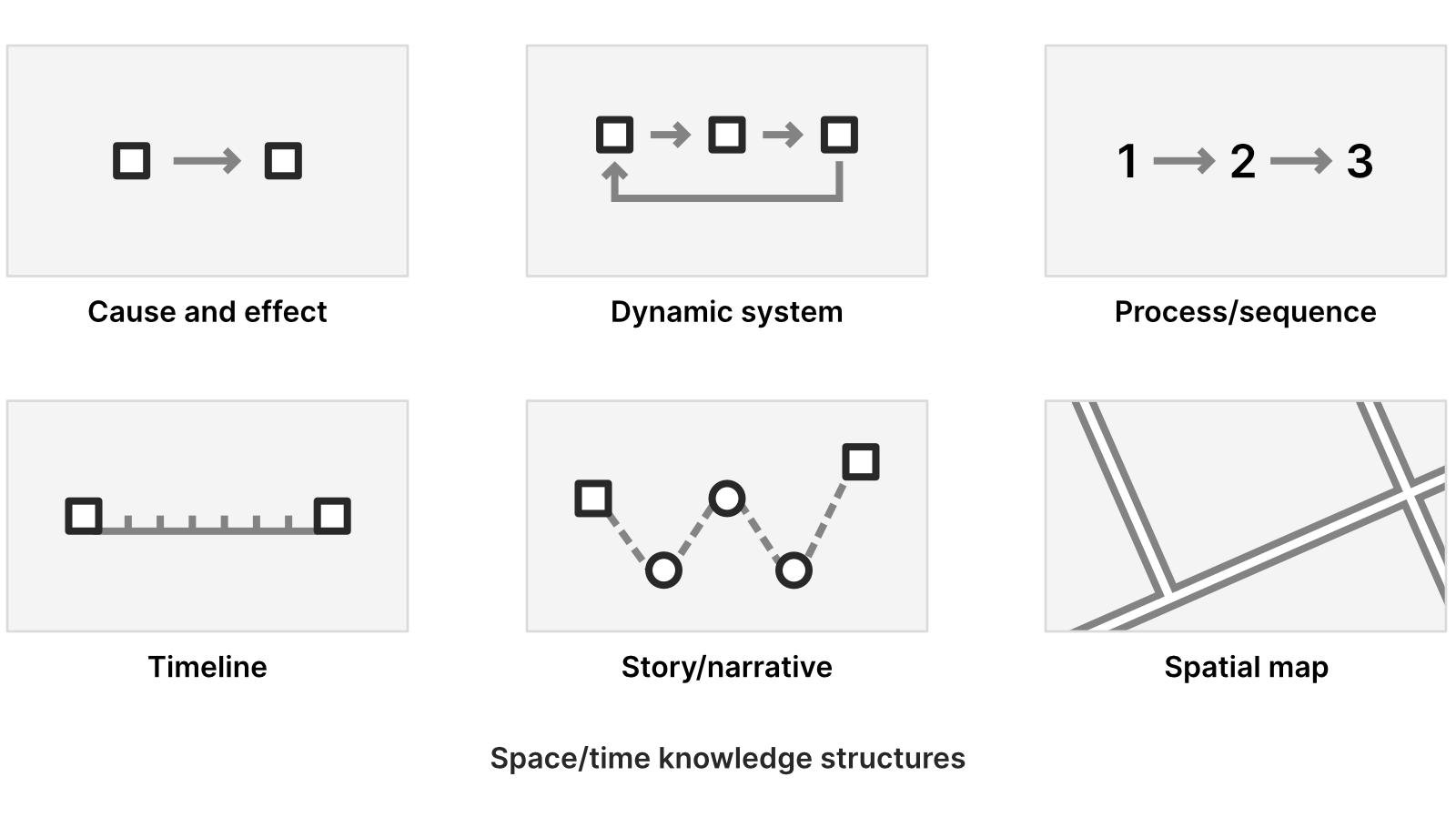
Here's a great introduction to knowledge structures by Francis Miller. AKA, diagrams, canvases, frameworks, visual representations of thought… with a slight difference: The orientation to these visual representations is more cognitive in nature (how we think vs thinking made visual).

Sidenote: I have a love/hate relationship with identifying patterns such as these. Love, because who wouldn't? Hate, the patterns and classifications often fail to hold up, for me. Useful, yes. Definitive? Never. I'm looking forward to part 2 of this article!

Five managerial archetypes

This article—“How to identify the right ‘spans of control’ for your organization”—was shared in a leadership conversation about how many direct reports a manager can reasonably support. I love that rather than give a pat answer, this post digs into other considerations (nature of the work, prior experience of direct reports, uncertainty of situations, etc.) to offer a more exploration and recommendations based on several managerial archetypes.

What makes a card game addictive?

This had me at the headline: ”Scientists discovered why card games are so addictive.“ The proposed ‘motion-in-mind’ model focuses on the effect of ’jerks’ (a sudden change of acceleration) to understand what makes a game addictive.  Why card games? 

Card games are typical incomplete information games. Short, repeatable rounds, chances, and strategizing make them among the most entertaining, even addictive, games.

There's more to the model (game length, velocity, and acceleration), as suggested by the following visual:

(This reminds me of two things: Similar studies that pinpointed  anticipation of an experience as the emotional highpoint ,and Csikszentmihalyi's concept of Flow.) Also, the board gamer in me is wondering how this model would fare with different types of games: Party games, strategy games, gambling games, and so on… 😜

THE PERMA+ Model (for happiness and well-being)

While digging through some older presentations on play, I came across Seligman’s PERMA+ Model, which highlights “five components that people pursue because they are intrinsically motivating and they contribute to wellbeing.” The five components of PERMA are: 

  • Positive emotion
  • Engagement
  • Relationships
  • Meaning
  • Accomplishments/Achievements

A Limited Vocabulary

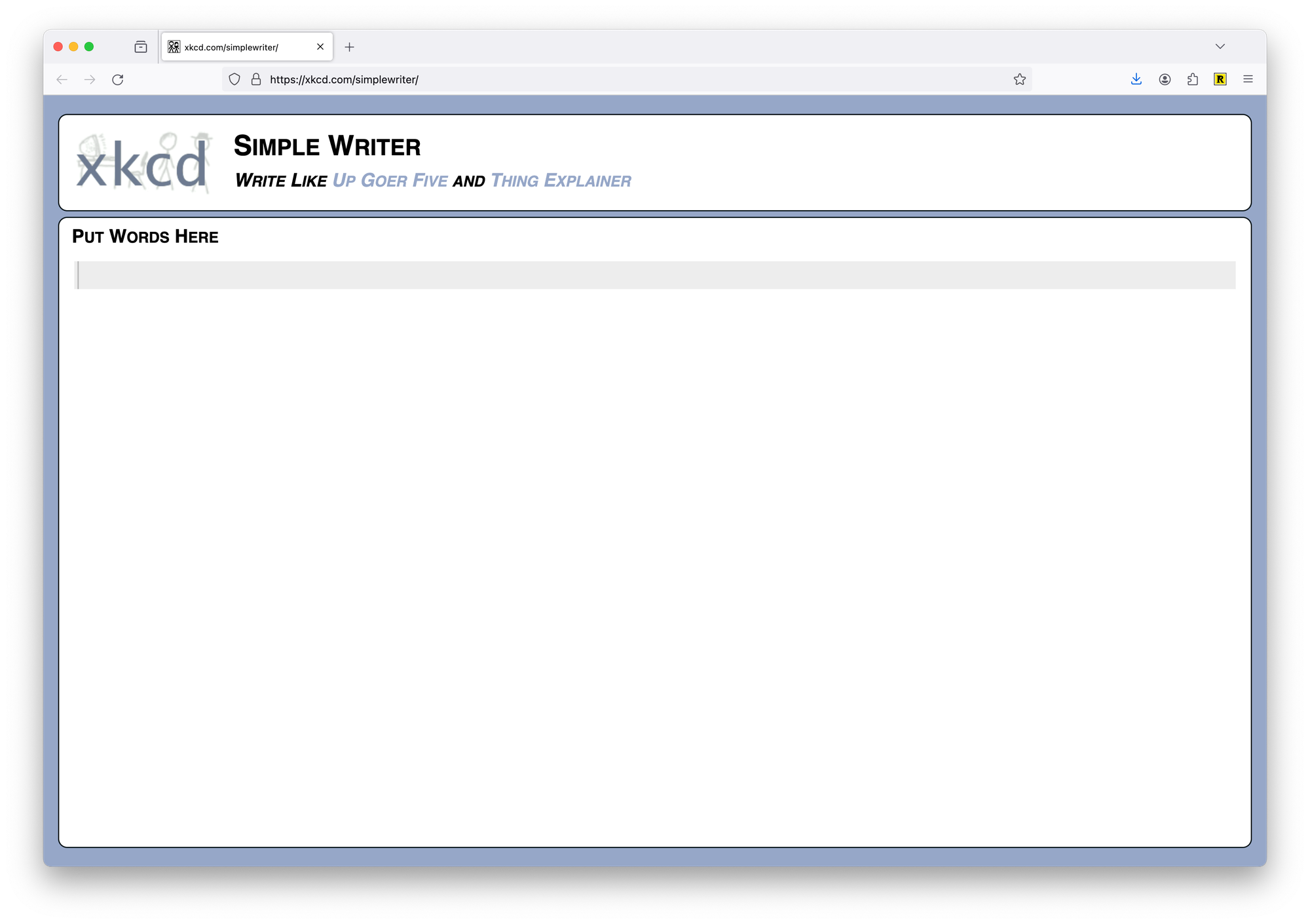
A co-worker shared this writing tool, adding “It’s kinda silly, but I’ve always liked this tool which will mark any words that aren’t one of the 1000 most commonly used words (in English).”
Read more

№ 117 | A Special “Two-fer” Edition: Museum Activities, Attention, Technology & Childhood Education, Writing Together, Two Critiques of Org Change, and More Great Conversation Starters

№ 117 | A Special “Two-fer” Edition: Museum Activities, Attention, Technology & Childhood Education, Writing Together, Two Critiques of Org Change, and More Great Conversation Starters

A special “two-fer” edition, featuring things to think with or think about—that happen to pair nicely with each other! Context: While collecting the various things that make it into this newsletter, I sometimes come across posts, frameworks, etc. that feel better to share together, as a pair (or triptych)

By Stephen P. Anderson
№ 116 | Mapping the Sources of Power, The Atlas of New Futures, Factitious, Mutual Aid Self Care Zine, Lecture-Zines by Darren Raven, Wild Cards Deck, and the Weight of Worry

№ 116 | Mapping the Sources of Power, The Atlas of New Futures, Factitious, Mutual Aid Self Care Zine, Lecture-Zines by Darren Raven, Wild Cards Deck, and the Weight of Worry

Hello, and welcome to another edition of Thinking Things, your mostly-regular dose of ‘Playful Things to Think With’ (and think about). Mapping the Sources of Power By way of a LinkedIn post from Scott Wolfson comes this map depicting “how experts actually make decisions.” It’s a hand drawn conceptual

By Stephen P. Anderson
№ 115 | Copyright: The Card Game, Design Thinking Canvas, The Learning Matrix, “Moving From SWOT to SO WHAT? Analysis”, Prosocial Design Network, Lenny’s World… Remixed!, and Violence as a Contagious Disease

№ 115 | Copyright: The Card Game, Design Thinking Canvas, The Learning Matrix, “Moving From SWOT to SO WHAT? Analysis”, Prosocial Design Network, Lenny’s World… Remixed!, and Violence as a Contagious Disease

I'm back again, with your regular roundup of ‘playful things to think with’ and think about! (Two days later than usual, but… other priorities!) Copyright: The Card Game Now this is how you design a learning card game! Take a confusing topic (in this case copyright law). Create

By Stephen P. Anderson
№ 114 | Platform Thinking Journey Cards, The Dictionary of Radical Alternatives, Learning Theory Map, “Let Them Have Your Way” Zine,  a Framework Mashup!, “There is No System 2”, Go for Goals, and Gutenberg Revisited

№ 114 | Platform Thinking Journey Cards, The Dictionary of Radical Alternatives, Learning Theory Map, “Let Them Have Your Way” Zine, a Framework Mashup!, “There is No System 2”, Go for Goals, and Gutenberg Revisited

Welcome to another curious roundup of ‘playful things to think with’ and think about! Platform Thinking Journey Cards Here’s a shout out to my friend Werner Puchert, who just dropped another one of his extensive card deck video reviews. This time, he’s looking at the Platform Thinking Journey

By Stephen P. Anderson