№ 118 | Working in Space, BriteBox Idea Generation, Epos Daimon, American Dictator? The Game, Cas Holman and ‘Anji Play’, A Web Typography Learning Game, and The Stratification of Trust

Welcome to another edition of Thinking Things, your regular roundup of 'playful things to think with’ and things to think about!
“It’s not your fault the information sources you used to rely on so readily have broken. But it is your responsibility to navigate this with care.”
Well said.
Speaking of John V Willshire…
“Working in Space” (talk)
Set aside 20 minutes to watch John V Willshire’s recent talk Working in Space. It’s a “twenty minute blast through cinema, market research, information, futures, speculative design, printer, and more.” John’s talks are always engaging, both for his delivery and his perspectives. This one is no exception, on either count.
The central idea is that ‘working in space = being in between’, highlighting the stuff (connective tissues, serendipitous accidents, etc.) that happen between things, people, ideas, and so on. He illustrates this point with a simple office printer, pointing out that this “thing” is—to borrow a definition from Bruno Latour [PDF]—actually “a complex assembl[y] of contradictory issues,” as shown in this slide:
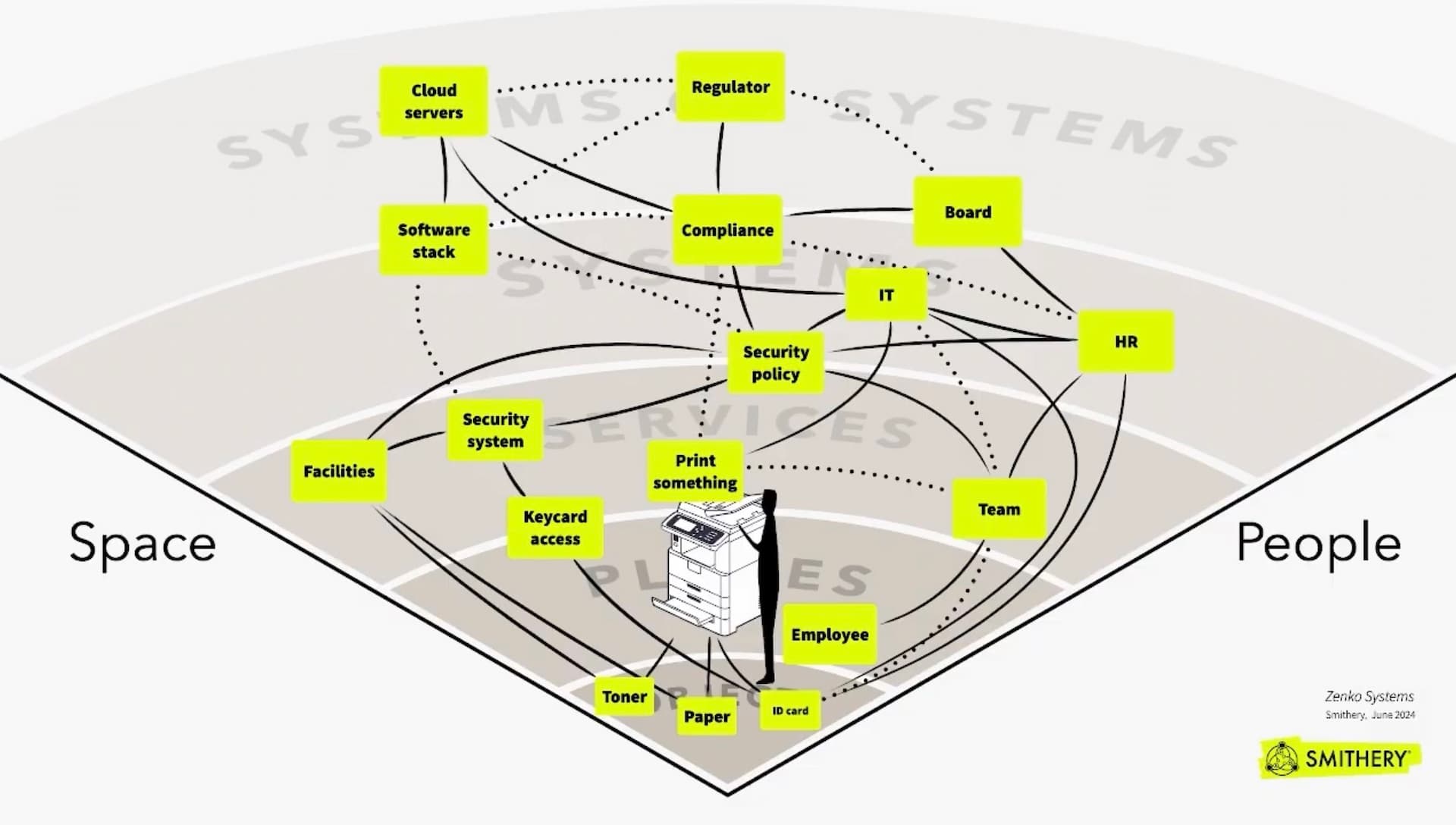
[Sidenote: Given my extensive use of the word “things” in this newsletter, I naturally tested this out: ‘Thinking Things is where I share “complex assemblies of contradictory issues” to think about…’ 🤔]
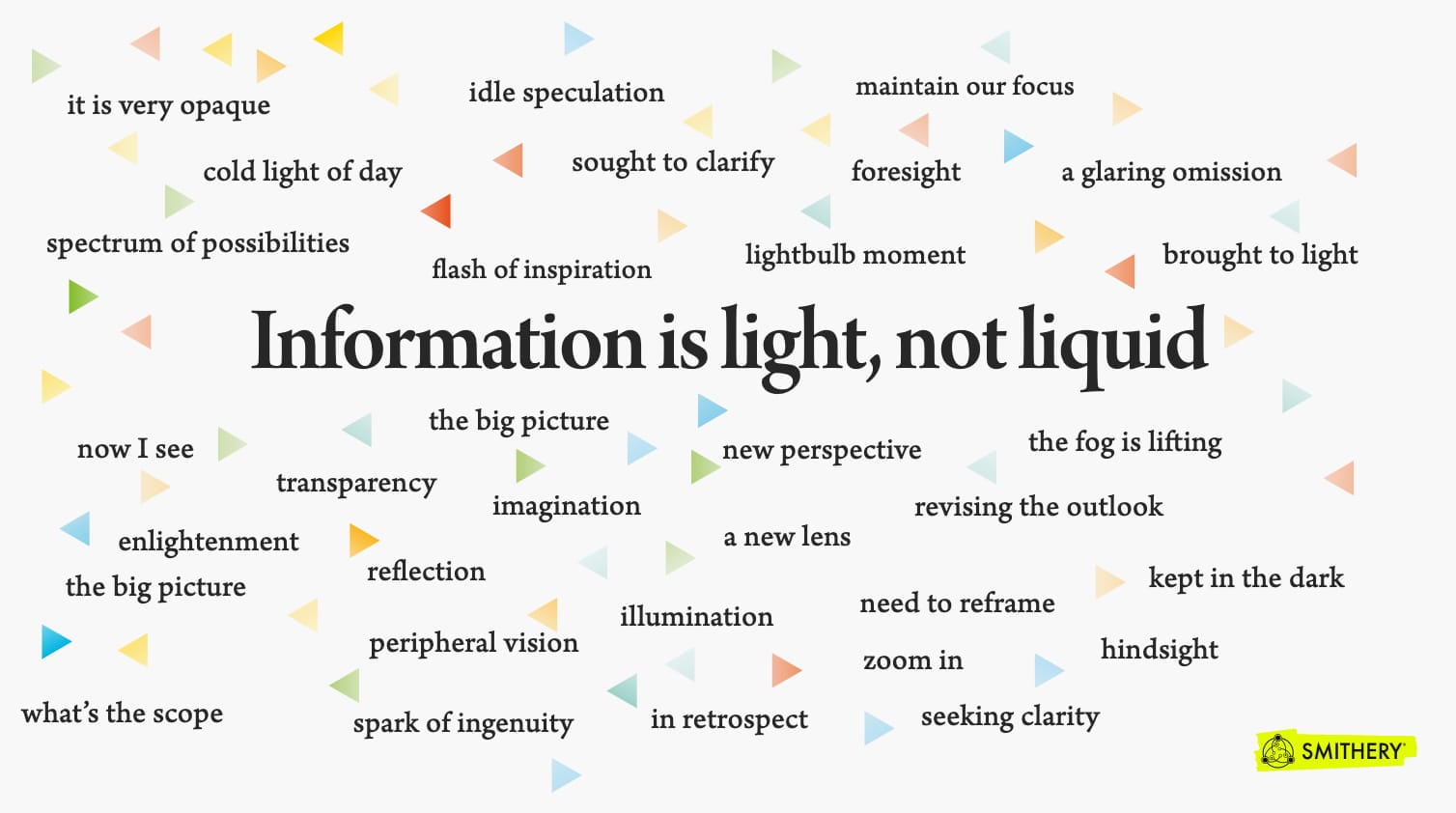
John also slips in a criticism of the ubiquitous ‘information as liquid’ metaphor (think ‘data lake’, ‘data streaming’, ‘data pipelines’, ‘data is the new oil’, ‘drowning in data’, and more), citing how this, when unchecked, (1) assumes that all information is the same, and (2) leaves us primarily concerned with storage. He, like me, favors more metaphors (multiple perspectives) and argues that information is more like light, not liquid.
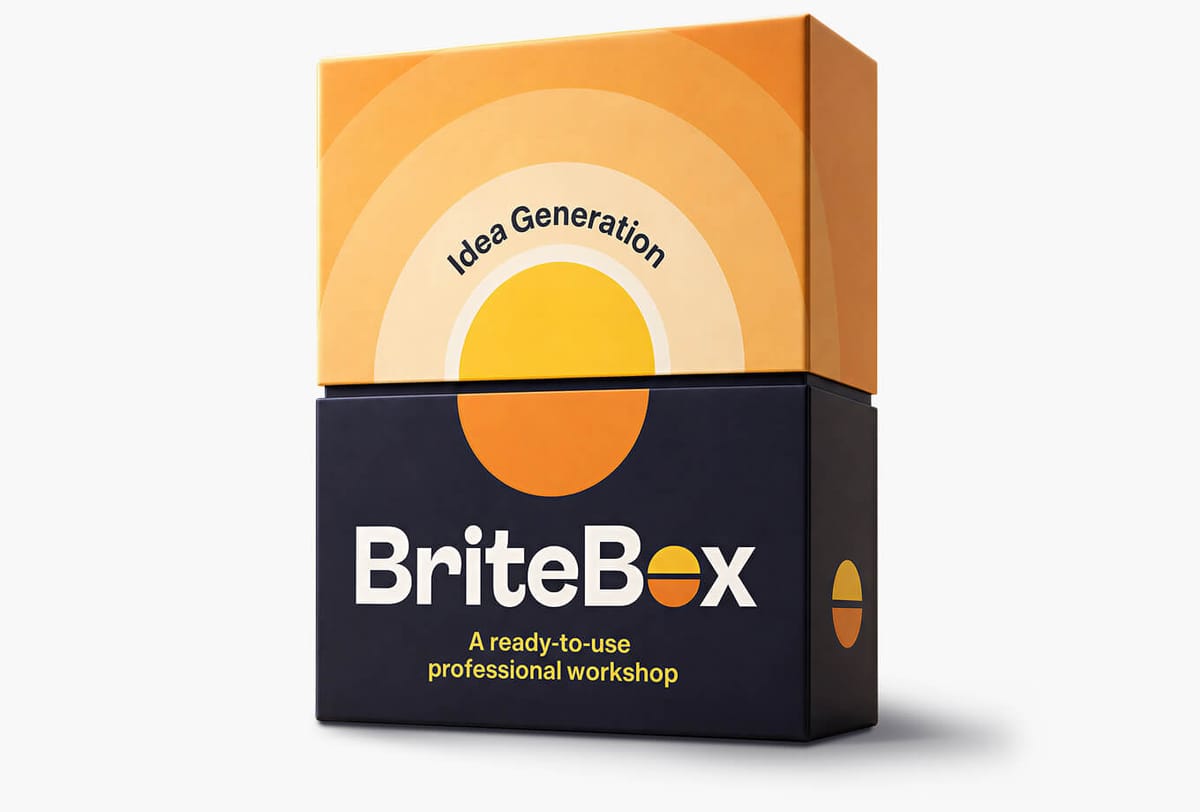
BriteBox Idea Generation
New card deck alert! Independent publisher Sefirot just announced their newest card deck: BriteBox Idea Generation. It’s on sale for 30% off with free worldwide shipping for the next few days (sale ends on June 11th).
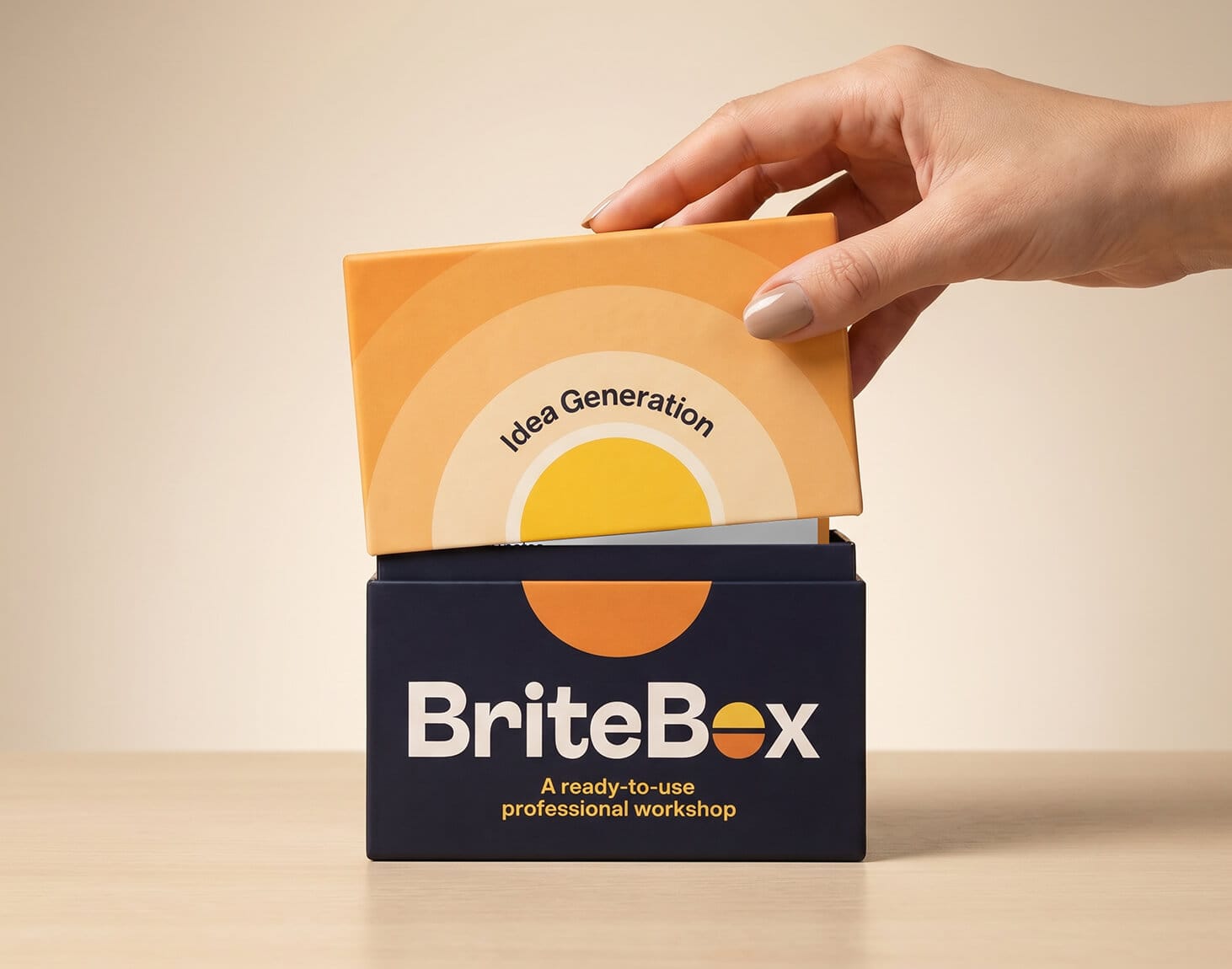
What is it? It’s a card deck to help anyone (no facilitation experience required) run a great product/service ideation workshop. Several of the cards are sequenced, to scaffold the linear parts of the process. And, there’s a separate canvas you print out to use with this activity. As far as the card content goes, these include:
- Facilitation cards — these will be familiar to anyone who has facilitated this kind of workshop—they’re basically there to help you walk through a process, with a nice set of things to “watch out” for associated with each step.
- 29 Expansion cards — a collection of questions to help explore the problem space and problem framing
- 10 Stress Test cards — used to challenge or push back on the resulting ideas; this is something I don’t see enough of in this kind of workshop.
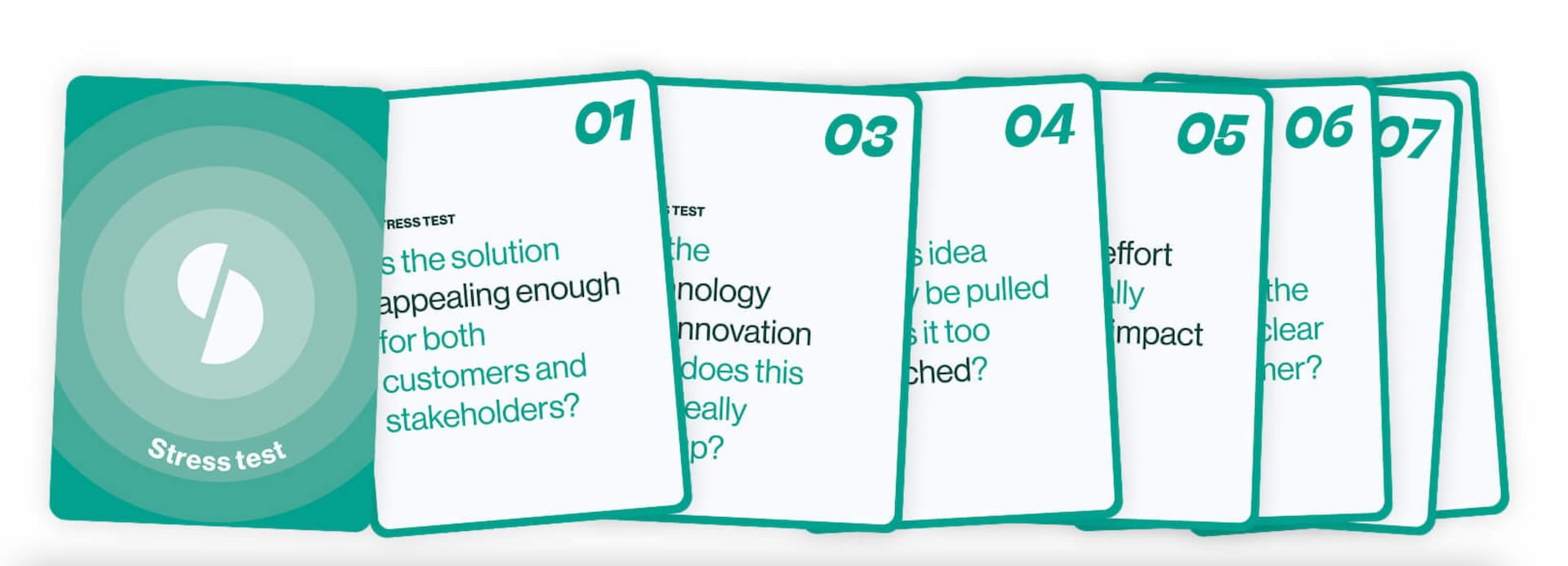
- Finally, there are 3 Bonus cards to “help you diplomatically signal when a participant is monopolizing the conversation or taking too long to make a point.” Nice addition. 🙂
Epos Daimon, the magic school where teens play fascists
Over on Mastodon, I’ve been following Adrian Hon for a while now. He’s writing a book about the history and future of immersive experiences, and sharing his research (mostly first-hand experiences) along the way. He’s written about everything from escape rooms to puzzle games to Disney’s Star Wars: Galactic Cruiser experience. And—given the topic—he’s written extensively about his first hand experiences at a number of LARPs (Live Action Role-Playing) events and festivals, including Austenland: The World’s Most Immersive Austen Experience?, Playing First Contact in Eclipse, and Odysseus, a Game-changing Sci-fi Larp (based on the first episode of Battlestar Galactica). There are many, many more LARPs he’s visited and written about. He’s also making Strandfall, a Solarpunk Orienteering Larp.
Most recently, he shared about a LARP designed with educational goals in mind: Epos Daimon, The Magic School Where Teens Play Fascists.
Created for Epos, a boarding school for 15- to 16-year-olds in Denmark that uses larp and play as an educational methodology, this event was carefully designed to teach teens about fascism. Rather than play the rebel heroes fighting the bad guys, this experience flips the script, to show how easy it is to get pulled into toxic communities:
Most fantasy adventures portray the protagonists as rebels fighting against fascists. That’s great if you want to fight comic book villains, but it doesn’t address the fact that toxic communities are pulling in more and more young people today – people who think they’re the heroes fighting for good, people who are attracted by the sense of belonging and dignity and purpose that these communities offer.
How do you teach that? Well, a magic school larp might work – if you had the teenagers play the fascists, not the rebels. That way they’d get to understand and experience first-hand just what it is that attracts people to these toxic communities – the rituals, the certainty, the binding of an in-group through exclusion and bullying, the constant praise from authority figures.
Wow. This sounds like it’d be quite the educational experience, one not soon forgotten.
Sticking with this theme…
American Dictator? The Game
On a less immersive note… Canadian teenagers invented the most unhinged board game (YouTube short):
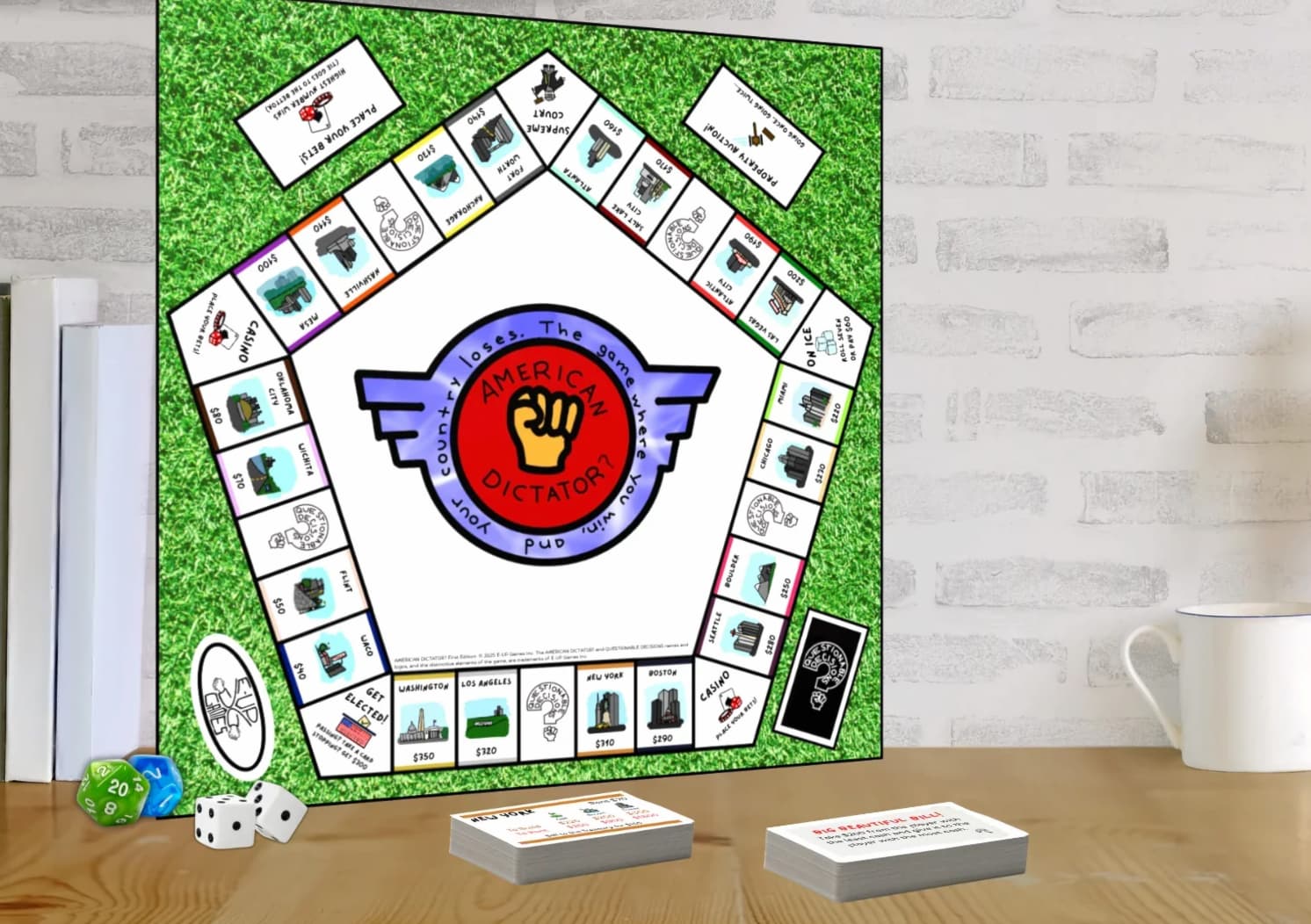
AMERICAN DICTATOR? Board Game is a satirical riff on Monopoly, filled with all too familiar plays ripped from American headlines:
The properties are golf courses, resorts, and towers. There’s no jail, but you can be put on ICE; you can buy your way out of it if you pay the dictator $60 for a pardon. There is a supreme court justice; if you land here you can buy the justice and use it to overrule anything an opponent does.
Then there are “questionable decisions” cards: Inflation cards (roll one die and pay 10 times your roll), you can storm the Capitol, you can appoint a new FBI director (look at the next five cards, keep one, and put the rest back in any order you choose). You can Overturn Roe V. Wade (all players under age 40 go back 5 spaces). And more craziness. 🤪
📌 Cas Holman and ‘Anji Play’
Note: This is only a placeholder (hence, the 📌 emoji). More to follow. 😃
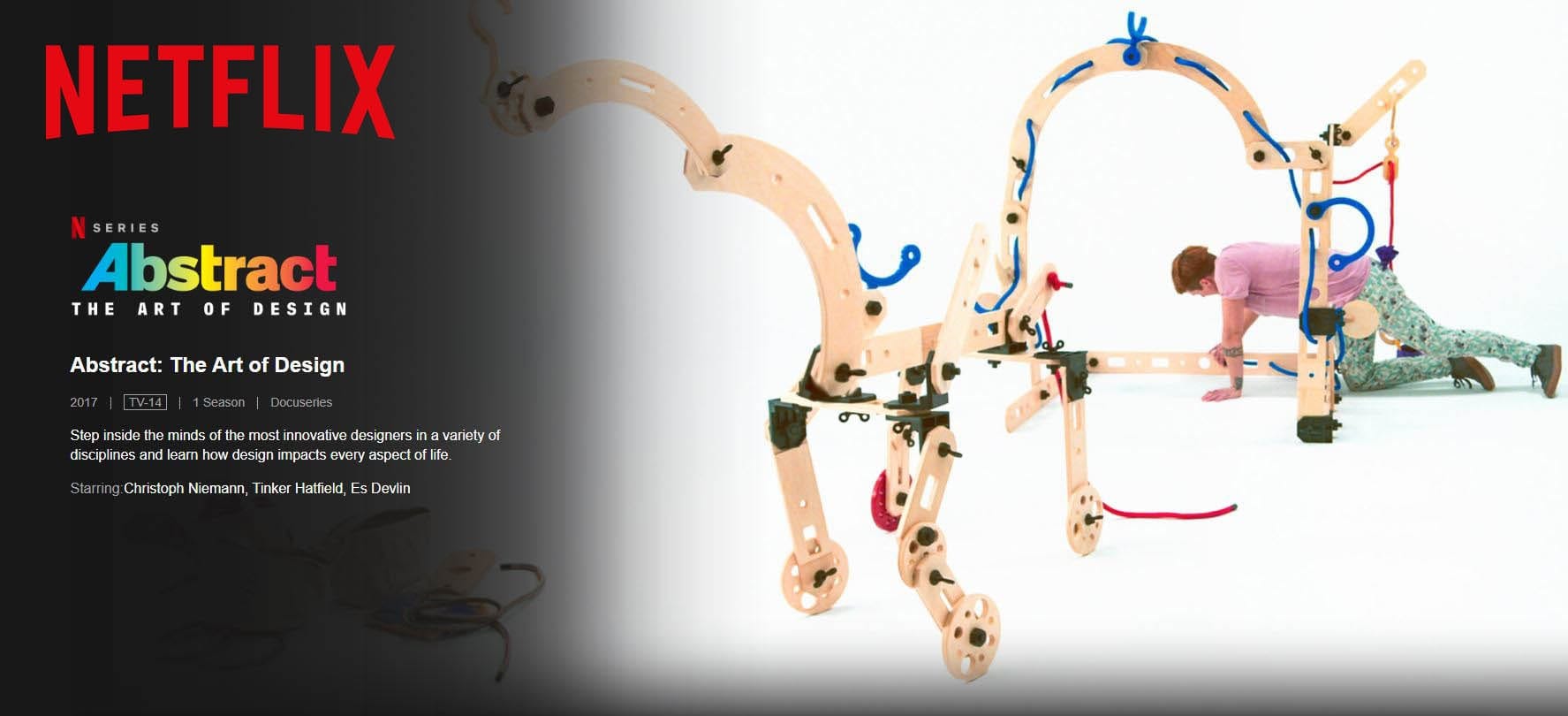
I was trying to describe “playful things to think with” to a co-worker, and he recommended I check out Abstract: The Art of Design, specifically the “Design for Play”episode that profiles designer Cas Holman. The synopsis:
As founder of toy company Heroes Will Rise, Cas Holman crafts tools and objects designed to inspire kids (and adults) to play creatively.
Needless to say, I was… *:・゚inspired✧:・゚! I found myself reflecting on my own philosophy of learning and design. I began writing down my thoughts to share here, and… well… my usual one or two paragraph commentary turned into a rather lengthy and rambling post! I have lots of thoughts. The episode left me thinking more critically about my own educational philosophy, and how it compares or differs from Holman’s. Look for a future Thinking Things edition (next issue, perhaps?) focused solely on the topics of play, learning materials, pedagogy, making to think, and related topics!
In the meanwhile, if you have a Netflix subscription, you should find and watch this episode (season 2, episode 4).
A web typography learning game
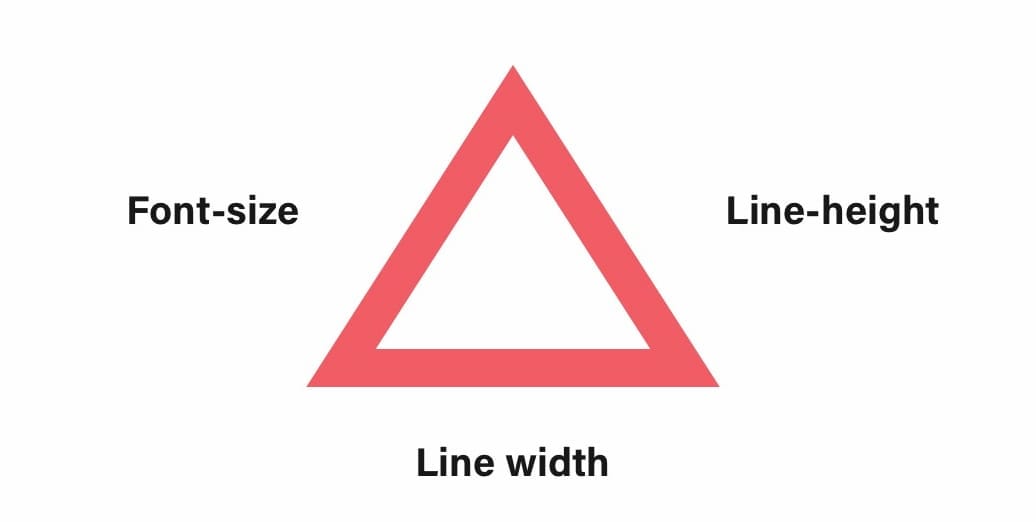
While searching for articles on line length (for the engineering teams I work with), I came across this excellent article on “The ideal line length & line height in web design”. But, the reason I’m sharing this is context for what I found in the comments: Triangle — a web typography learning game. Yep, a game to test your typographic prowess (and learn about good typesetting in the process!).
The Stratification of Trust
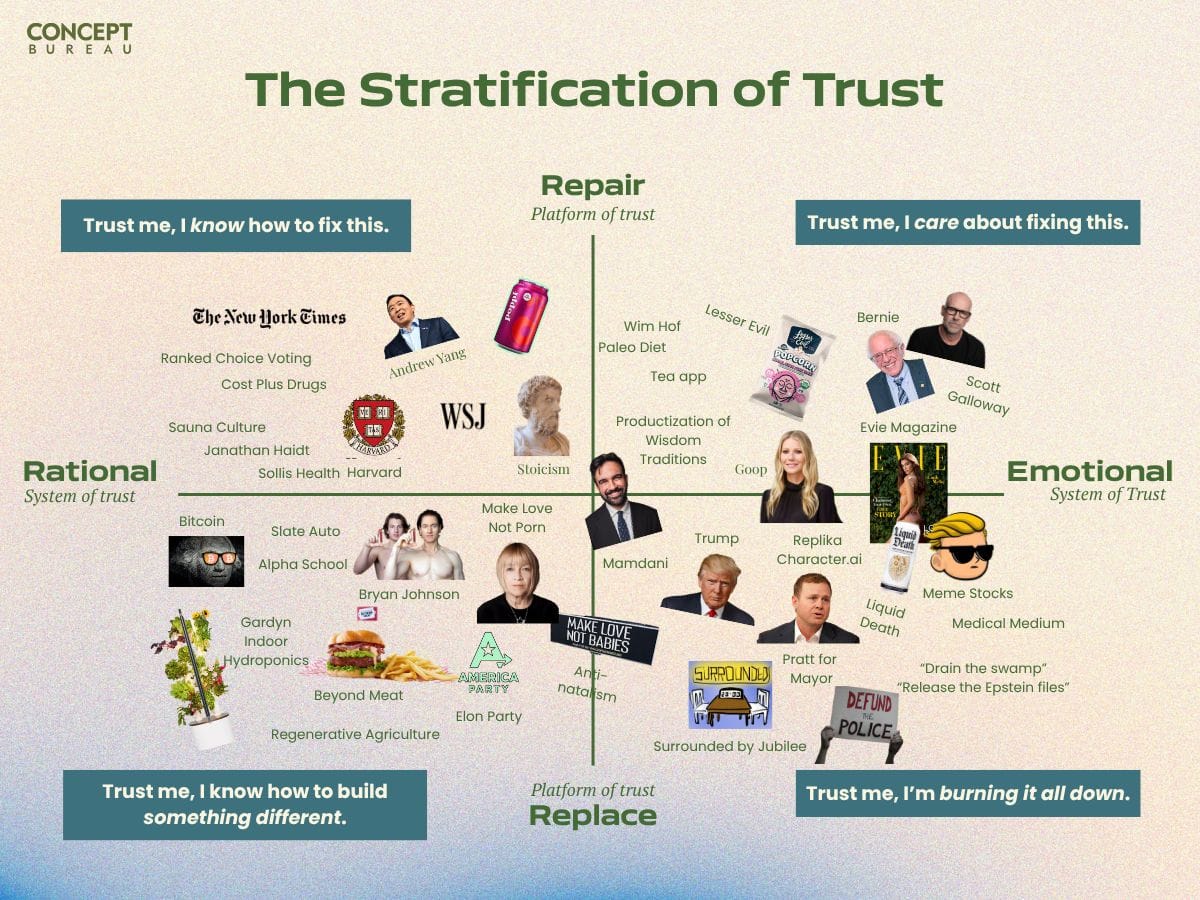
I do love it when people take a singular concept—in this case the idea of trust (LI)—and use visual thinking to explore the topic. I’m not sure I’d have stopped at a 2x2 matrix, I’d use something that does a better job at suggesting overlaps and gradation. But, I’m sharing it here as a simple example of scratching at a concept, and citing various examples, to show that perhaps there’s more nuance to consider.
Random Stuff!
- It’s a MicroRave [LI]. Get it? Microwave + Rave! 😄
- I’ve seen a few versions (remixes) of this video going around. It crisply captures my feelings of trying to design using only an LLM. 🤣
- Forget invasive brain implants. Here’s an interface you control with your tongue?! 😜
- There’s hope for tech! I found this post on the boring internet strangely encouraging. 😎
- “Don't be afraid of dissonance” uses music to illustrate a deeper lesson. 🎶
- By now you’ve likely seen this truly is a mind blowing example of stop motion animation. If not, you’re in for a treat. Also, no AI was used to create this video!
- Here’s a web site that’s—gasp—actually fresh, fun, and interesting. Be sure to scroll to the “Shameless CTA” section near the bottom!