№ 2 | Design + Architecture Processes, Multisensory Perception and Architecture, “The Case Against Choose-Your-Own-Adventure Education,” Learning Styles, and Clever Ways to Connect with Others

Share
№ 2 | Design + Architecture Processes, Multisensory Perception and Architecture, “The Case Against Choose-Your-Own-Adventure Education,” Learning Styles, and Clever Ways to Connect with Others

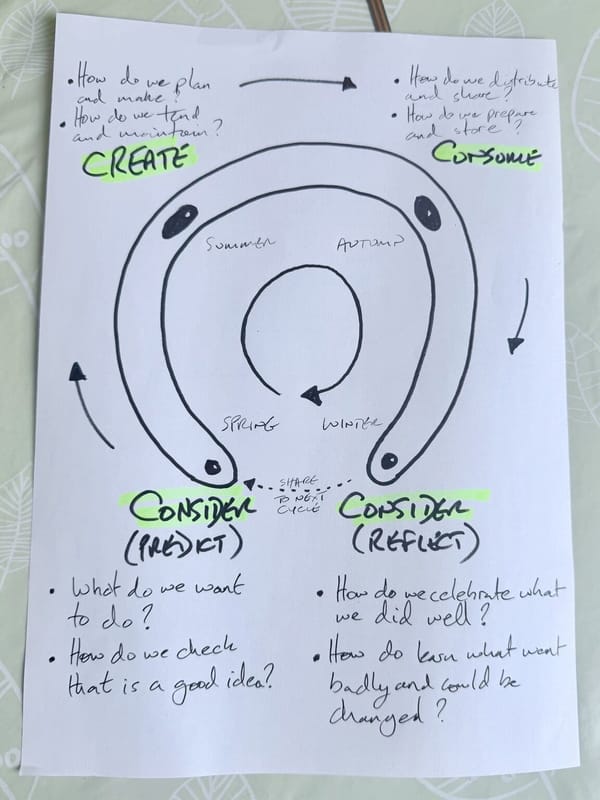
Is this how designers work?

I posted this on twitter, and a just few people 😲 found it interesting.

Speaking of architecture, one of my co-workers shared this next piece with me:

Multisensory perception and architecture.

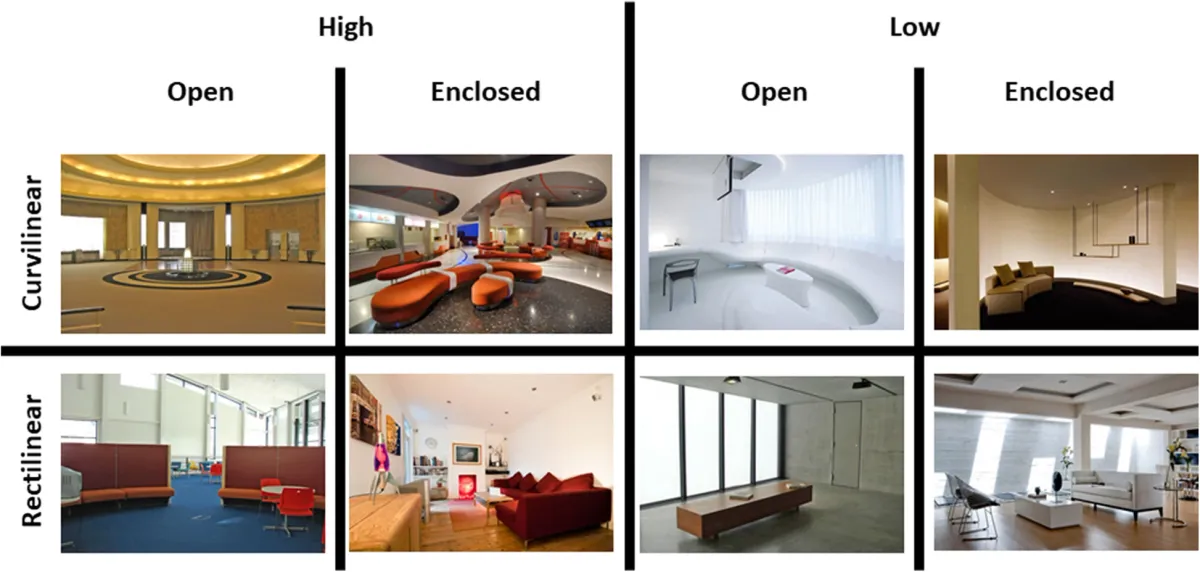
Here's your weekly (!? 🤨) dose of academic literature: "Senses of place: architectural design for the multisensory mind." This research paper explores the relationship between human senses (and the resulting perceptions) in relation to architectural design. Why?

The hope is that such a multisensory approach, in transitioning from the laboratory to the real world application domain of architectural design practice, will lead on to the development of buildings and urban spaces that do a better job of promoting our social, cognitive, and emotional development.

Naturally, I devoured this paper.  Subjective perceptions. “Sensism.” Background music. Hard vs soft shapes. “Sick building syndrome” (a new term to me!). Designing spaces for more than what we see. There is so, so much to mine from this—I'll be returning to it again. And again.
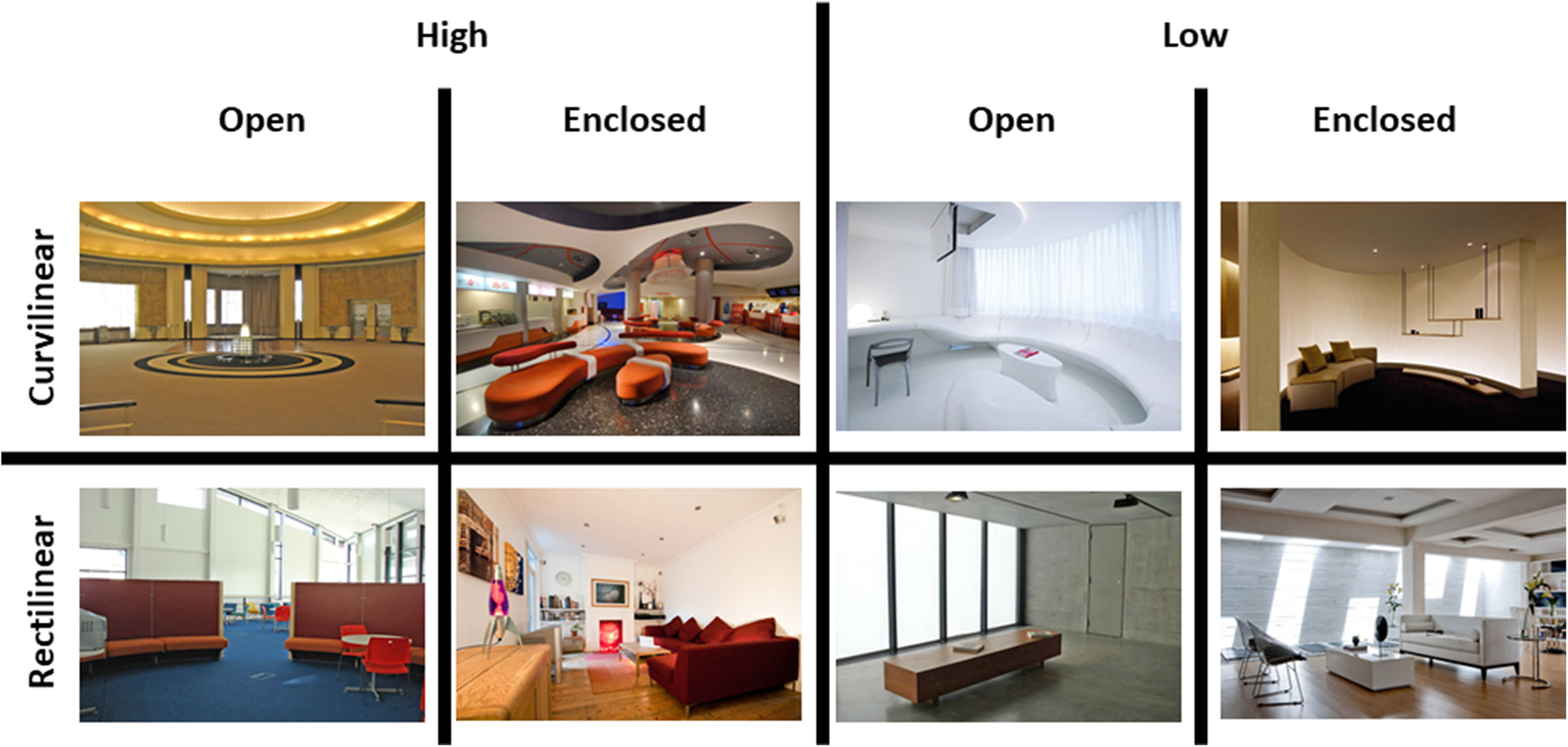
Fig. 3

Learning, higher education, and Choose Your Own Adventure books.

Reading “The Case Against Choose-Your-Own-Adventure Education” sparked a lot of musings. The CYOA analogy is just that, an analogy, to critique how universities have shifted the burden of a learning plan onto students, and in doing so, done a disservice to learning (example from the essay: "If I had taken that lab course early, before I learned about the theory, maybe I would have enjoyed small-scale biology better?"). I liked that the author makes a distinction between having no learning goals (in which case you should “follow our path”) or of you're clear on your learning goals, there's no issue with rolling your own learning plan.

And then this bit:

On the web, the challenge is not in finding stuff to learn, but in deciding what to learn.

…left me wondering if there's a market opportunity to curate and sequence existing content (videos/classes/articles/etc.) from across the Web…🤔

PSA: Learning styles don't actually exist.

Hey, before you get mad at me, just read up on what research says about so called “visual” or “kinesthetic” learners. Maybe the happy compromise would be to say some of us have nurtured a particular learning preference? 😬

Maybe I should have read this next article, before stirring the pot!

Clever ways to connect with others

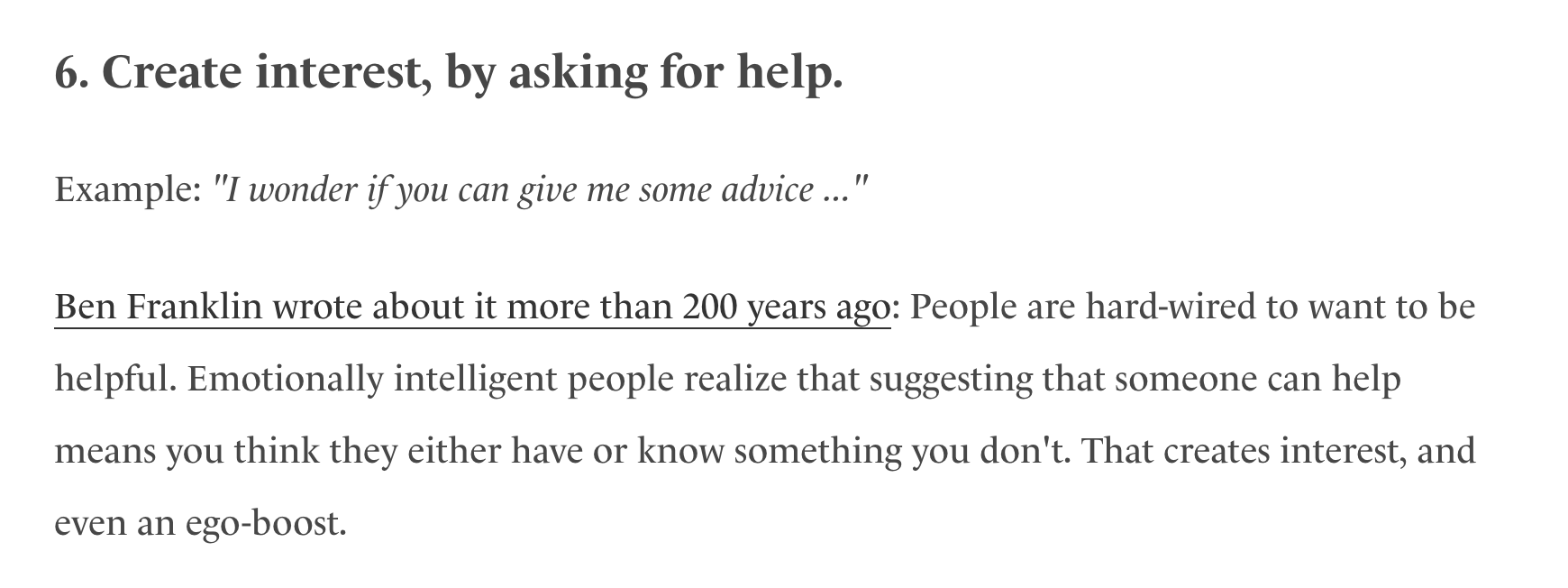
Here's something I came across a few weeks ago: “17 Tricks Emotionally Intelligent People Use to Avoid Awkward Conversations and Get Along With Everyone.” The title says it all. Some good tips here.
Read more

№ 125 | Harms of the AI Ecosystem, OK Go Sandbox, Learning Experience Canvas, Family Tree of French Sauces, How Nouns and Verbs Shape Game Design, Harm Along a Spectrum, and Pain Point Bingo

№ 125 | Harms of the AI Ecosystem, OK Go Sandbox, Learning Experience Canvas, Family Tree of French Sauces, How Nouns and Verbs Shape Game Design, Harm Along a Spectrum, and Pain Point Bingo

Harms of the AI ecosystem At this point, just about anything Per Axbom creates is an instant share from me. His latest creation, an infographic identifying various “Harms of the AI ecosystem” is a fabulous ‘thing to think with’. Brief. Good use of dual coding. Seemingly comprehensive. I was initially

By Stephen P. Anderson
№ 124 | Deep Deck, Charismatic Language, “Are Student Attention Spans Really Shrinking?”, AI Divergence Engine, 10 Things to Watch Out for When Working with AI, “Society Begins at Home”, and Collective Madness Bingo Sheet

№ 124 | Deep Deck, Charismatic Language, “Are Student Attention Spans Really Shrinking?”, AI Divergence Engine, 10 Things to Watch Out for When Working with AI, “Society Begins at Home”, and Collective Madness Bingo Sheet

Deep Deck Let’s kick things off with a good ol’ analog card deck! Deep Deck is a deck of conversation starters that promises to “push strangers closer and pull friends deeper.” Deeper connections and all that. Long-time readers will know how bored I am by most of the

By Stephen P. Anderson
№ 123 | Deep Code Cards, Cultural Differences and Storytelling, “So You Want to Be an American?” (the Game), Work-Life Balance, the Smiley Model, Playful Visualizations—Using Trees!, and Deep Reading

№ 123 | Deep Code Cards, Cultural Differences and Storytelling, “So You Want to Be an American?” (the Game), Work-Life Balance, the Smiley Model, Playful Visualizations—Using Trees!, and Deep Reading

Howdy! Welcome to another roundup of ‘playful things to think with’ and things to think about. Let’s kick it off with… Deep Code Cards Ooh… Another project from Dark Matter Labs. The Deep Code Cards offer a “playful exploration of the invisible forces that shape our lives.” Nice. Maybe

By Stephen P. Anderson
№ 122 | A “Horseshoe” Diagram, Slow AI, the Data Communication Triangle, The Invisibles, A Simple Clustering Algorithm for Lists, Ordinary Abundance, and “Certainty, Variety, and Delight”

№ 122 | A “Horseshoe” Diagram, Slow AI, the Data Communication Triangle, The Invisibles, A Simple Clustering Algorithm for Lists, Ordinary Abundance, and “Certainty, Variety, and Delight”

A ‘horseshoe’ diagram Ooh… A horseshoe diagram?! That’s a new-to-me pattern; I’m adding this to my collection of visual primitives. Pretty much a cycle, with emphasis on the starting and ending points (before the cycle begins again). That’s all. Oh, and as for the content

By Stephen P. Anderson