№ 5 | An RPG about Refugees, Mind the Metrics, “The Pattern,” A Goldmine of Essays, and Patagonia

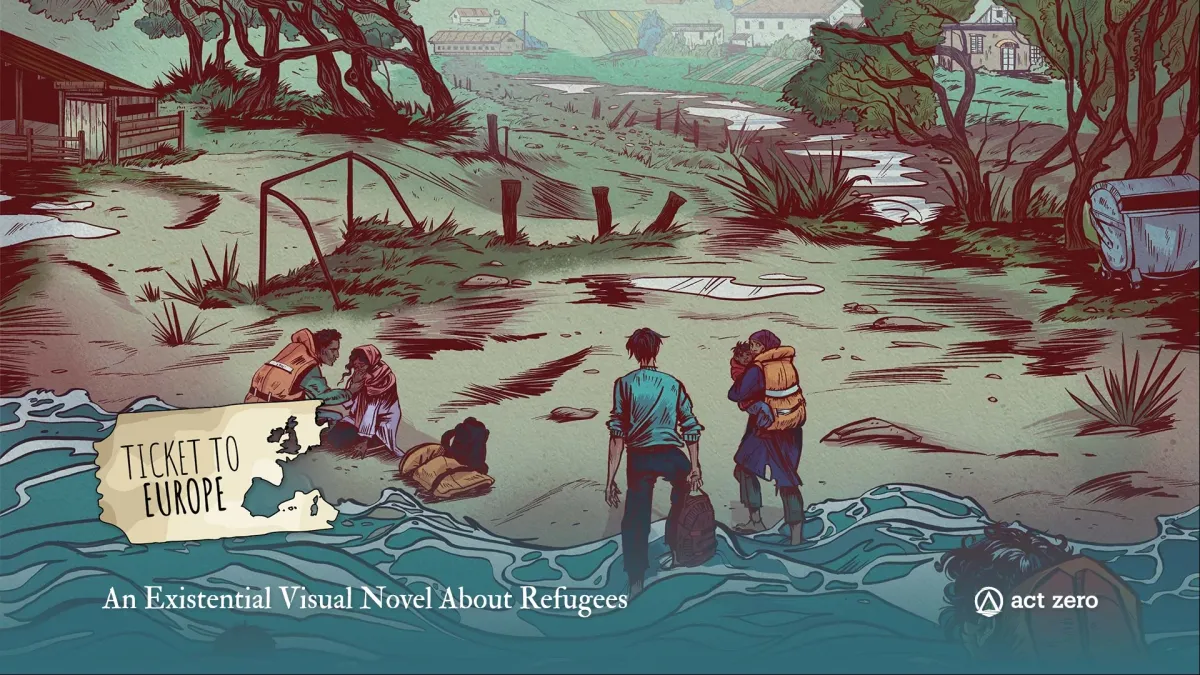
A text-based RPG about refugees
Last week, I shared an article about the patterns in interactive fiction. Part of my fascination with CYOA books, branching narratives, interactive fiction, choice based games, and so on, is how they represent (to me at least) an incredible opportunity to help people explore new situations or develop empathy for others, all in a safe, playful way. For a few hours, readers are presented with—and must make—difficult choices. As “playful things to think with,” these fictional narratives immerse us in a world that requires concentrated engagement with situations and perspectives we may only know a little bit about. That’s powerful. Anyway… Here’s a recent project that does just this: “An interactive book (text-based RPG) about refugees, made in collaboration with real refugees.”

Mind the metrics
I finally had a chance to listen this Ezra Klein Show interview with philosopher C. Thi Nguyen, all about… 🥁 Games! And Life!
[🎙 PODCAST] "Are We Measuring Our Lives in All the Wrong Ways?"
This podcast episode explores a philosophical look at games as an art form. While I found the perspective on games a bit too focused on points (what about personal challenges, self-expression, fantasy, pattern recognition, etc?), it’s an amazing discussion about being mindful of the point systems that pervade most areas of life, from school to work to social media to (yes) games. It’s a great exploration of what should be concerning (and is perhaps unavoidable) in our quest to quantify everything. Bonus points for the phrase “Agential straightjacket”
🍷🧀 This podcast pairs nicely with…
“The Pattern”
Coincidentally, I stumbled across The Ungated Manifesto that explores similar themes to the podcast above, through the lens of a content creator. The author manages to put into words (a lot of them!) the persistent tension between making things of substance and hustling for the attention that sustains these efforts.
A definite read, that clearly articulates ‘The Pattern’ that “is ripping through our digital commons, and seeping into the hearts and minds of humanity… stifling our creative potential… poisoning our culture. And…standing in the way of our ability to live well and flourish.”
A goldmine of essays?
Over on twitter, Packy McCormick asks:
What’s your favorite essay/blog post of all time?
Looking for >2 years old, and that you think will be as good in a decade. Instant classics.
Looks like lots of of good responses to sort through… (this is where I found the article above.)
I ❤️ Patagonia:
There’s so much to love about the ethos and reasoning in this short announcement about Patagonia’s new owners. If only more businesses operated with a commitment to the planet and a sustainable business.
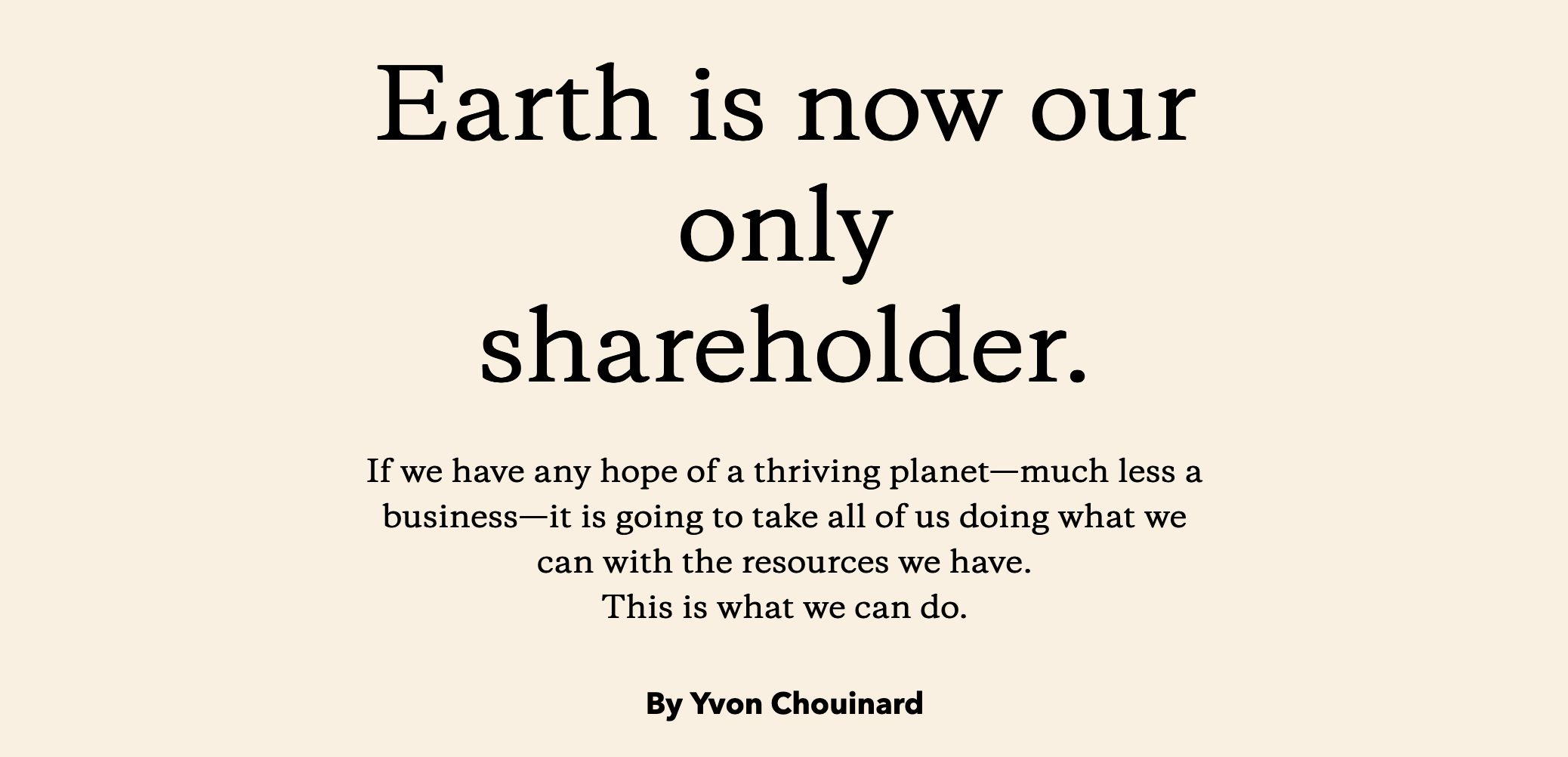
In retrospect, the Patagonia announcement—and the mention of why taking the company public wasn't an option— connects back to themes in the podast. Thematic Friday Finds FTW!